Classic Plain Lo Mein Noodles Recipe
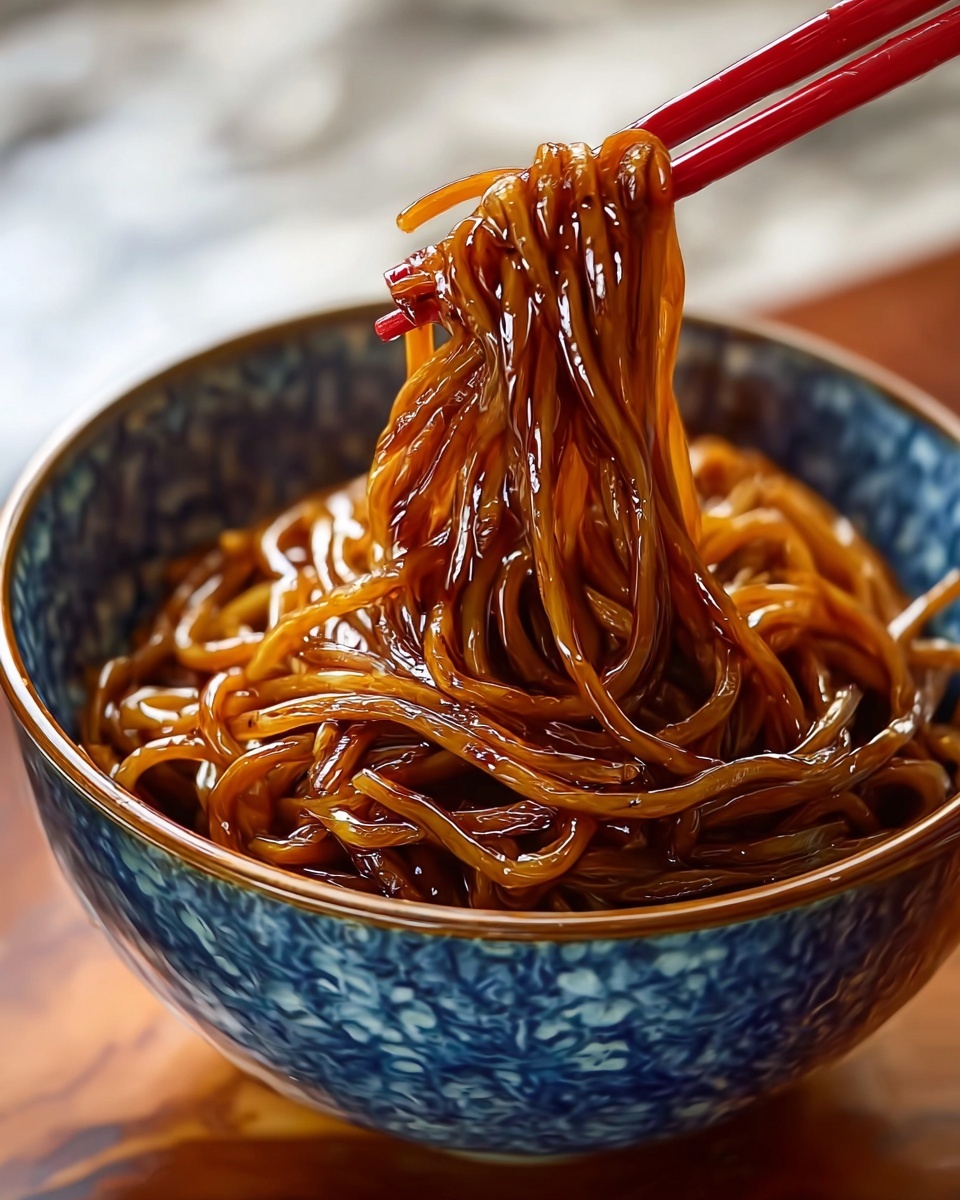
If you’ve ever craved that perfect bowl of noodles that tastes comforting yet effortlessly delicious, this Classic Plain Lo Mein Noodles Recipe is exactly what you want in your kitchen arsenal. It’s one of those dishes that feels fancy enough to impress but is super simple to whip up any night of the week. What I love most is how versatile it is—you can enjoy it as is or build on it with veggies and proteins.
Making this Classic Plain Lo Mein Noodles Recipe is a great way to treat yourself when you’re short on time but still want something homemade. Plus, the balance of savory soy sauce, fragrant garlic, and a hint of ginger just makes every forkful really satisfying. Stick with me, and I’ll guide you through the steps to nail it perfectly, with plenty of little tips I’ve picked up along the way.
Ingredients You’ll Need
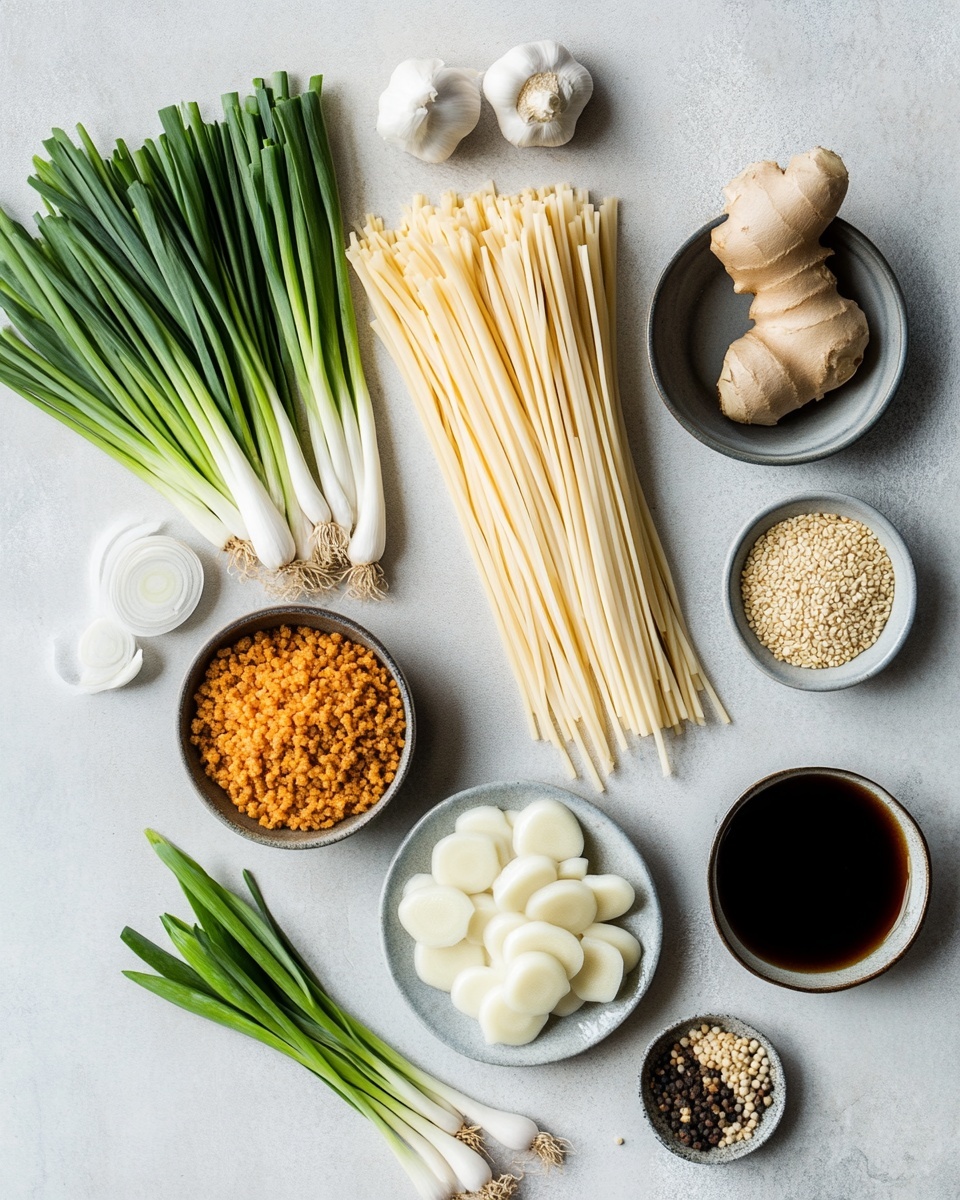
Every ingredient here plays a key role in building that authentic, well-rounded flavor classic lo mein is known for. It’s helpful to pick fresh noodles when you can, but dried work just fine too once you get the cooking timing right.
- Fresh lo mein noodles or dried egg noodles: Fresh is ideal for that chewiness, but if you grab dried, cook them just until al dente so they don’t turn mushy later.
- Vegetable oil: A neutral oil that’s great for toss-coating noodles and stir-frying without overpowering the flavors.
- Light soy sauce: This is where the salty, umami flavor comes from—go for a good-quality one for best results.
- Dark soy sauce: This is optional but gives a lovely color and a subtle sweetness—it’s worth adding if you have it on hand.
- Oyster sauce: I highly recommend this; it gives a depth of savory richness that turns simple noodles into something special.
- Granulated sugar: Just a pinch to balance the saltiness and enhance the overall sauce flavor.
- White pepper: Adds a gentle heat with a slightly different twist than black pepper.
- Cornstarch: Combined with water into a slurry, it helps thicken the sauce to coat the noodles perfectly.
- Sesame oil: Added at the end for a toasty, nutty aroma—you really don’t want to skip this little finish.
- Garlic: Fresh and minced gives that punch of flavor that’s quintessential in almost every stir-fry.
- Fresh ginger: Whether grated or minced, it lifts the dish with brightness and warmth.
- Green onions: Both white and green parts are used—white for cooking and green for garnishing to keep that fresh bite.
Variations
Honestly, this recipe is a great blank canvas, so I’m always encouraging you to make it your own. Sometimes I throw in veggies or proteins, other times just stick with the classic simplicity.
- Add vegetables: Toss in sliced bell peppers, snap peas, or shredded carrots right before adding noodles for crunch and color—I find it pairs beautifully.
- Protein power: Chicken, shrimp, or tofu work wonders. I’ve stirred in cooked shrimp for a quick seafood twist that makes it a meal.
- Go gluten-free: Swap out the soy sauce for tamari and use rice noodles for a gluten-free version that’s just as tasty.
- Spice it up: When I’m feeling adventurous, I add a pinch of red pepper flakes or a splash of chili oil to wake up the flavors.
How to Make Classic Plain Lo Mein Noodles Recipe
Step 1: Cook your noodles just right
Fill a big pot with water, salt it generously like you would pasta water, and bring it to a rolling boil. Toss in your fresh lo mein noodles or dried egg noodles and cook according to the package—usually 2-3 minutes for fresh, or 5-7 for dried. Keep a close eye and taste-test early; you want them tender but still firm (al dente). Overcooked noodles turn mushy fast once you stir-fry, which is no fun.
Step 2: Drain, rinse, and toss to prevent sticking
Drain your noodles thoroughly in a colander. If you used fresh noodles, give them a quick cold water rinse to stop cooking and keep them from sticking. After draining well, toss them gently with about a tablespoon of vegetable oil. This little step helps keep the strands separate when you stir-fry later, trust me—it saves a lot of frustration.
Step 3: Mix up your savory sauce
In a small bowl, whisk together your light soy sauce, dark soy sauce, oyster sauce, sugar, and white pepper. In a separate small bowl, mix cornstarch with water to form a slurry, then add it and sesame oil into the main sauce and whisk to combine well. This mixture is your flavor powerhouse and will thicken just right once heated.
Step 4: Sizzle your aromatics
Heat two tablespoons of vegetable oil in a wok or large skillet over medium-high heat until it’s shimmering but not smoking. Add your minced garlic, grated ginger, and the white parts of the green onions. Stir-fry quickly for about 30 seconds until fragrant—don’t walk away, though, because garlic burns fast and can give your dish a bitter taste.
Step 5: Toss the noodles with sauce
In go your oiled noodles—pour the sauce mixture over them immediately. Use tongs or two spatulas (my preferred method) to toss and turn everything together continuously for 2-3 minutes. You want the sauce to thicken and coat every noodle strand without burning. The heat needs to be just right: high enough to cook through, but not so high it scorches. Keep it moving!
Step 6: Finish with green onion greens and serve
Finally, add the green parts of your sliced green onions and toss for another 30 seconds or so until they soften slightly but still keep their bright color. Then plate your Classic Plain Lo Mein Noodles Recipe immediately while it’s hot and glossy—this is when the dish is at its absolute best.
How to Serve Classic Plain Lo Mein Noodles Recipe
Garnishes
I like to sprinkle some toasted sesame seeds on top for a little crunch and nutty flavor, and sometimes a few extra sliced green onions for freshness. A drizzle of chili oil or a wedge of lime on the side can also add a nice zing depending on your mood.
Side Dishes
This lo mein shines with simple sides like steamed or stir-fried greens (think bok choy or Chinese broccoli). For something heartier, pair it with potstickers or a light soup like hot and sour or egg drop soup to round out the meal.
Creative Ways to Present
When friends come over, I like serving the noodles in individual bowls with bright garnishes to jazz things up. For a festive touch, scatter crushed peanuts and finely chopped cilantro on top. If you want a fun twist, serve with chopsticks and small dipping bowls of extra soy sauce or chili oil for everyone to customize their bites.
Make Ahead and Storage
Storing Leftovers
After it cools down completely, I pop leftovers into an airtight container and refrigerate. The noodles may clump a bit, so the key is to give them a quick toss with a little oil before reheating to bring them back to life.
Freezing
Freezing lo mein noodles works okay in a pinch, though the texture isn’t quite as satisfying once thawed. If you plan to freeze, flash cool and freeze in a flat layer for easier reheating. I personally prefer fresh or refrigerated as the noodles tend to get mushy after freezing.
Reheating
The best way I’ve found to reheat leftover lo mein is in a hot skillet or wok with a splash of oil and a dash of water to steam — about 2-3 minutes while tossing gently. Avoid microwaving if possible; it can make the noodles gummy. This way, you keep that fresh stir-fried texture and flavor.
FAQs
-
Can I use other types of noodles for this Classic Plain Lo Mein Noodles Recipe?
Absolutely! While fresh lo mein noodles or dried egg noodles are traditional, you can substitute with spaghetti or ramen noodles in a pinch. Just be sure to cook them al dente and adjust stir-fry timing to avoid mushiness.
-
Is oyster sauce necessary for the flavor?
Oyster sauce adds a lovely depth and umami that really elevates the dish, but if you don’t have it or prefer vegetarian options, you can skip it or substitute with mushroom soy sauce. The lo mein will still be tasty, just a bit simpler.
-
How do I prevent my noodles from sticking together?
After cooking, rinse fresh noodles under cold water and toss all noodles with a little vegetable oil. This coating keeps them separated during stir-frying and serving. Also, stir-fry over sufficiently high heat and keep noodles moving in the pan.
-
Can I make this recipe vegan?
Yes! Simply omit the oyster sauce or use a vegan alternative. Make sure your soy sauce and other condiments don’t contain animal products, and you’re good to go. Adding lots of veggies also enhances the dish.
-
How long does this lo mein stay fresh?
Stored properly in an airtight container in the fridge, the lo mein stays good for up to 3 days. For best taste, reheat gently and avoid overcooking leftovers.
Final Thoughts
This Classic Plain Lo Mein Noodles Recipe is one of my go-to dishes when I want something quick but nourishing, with flavors that transport me right to my favorite noodle spot. I promise once you make it a couple of times, you’ll find your rhythm and maybe even add your own spin. Give it a try—you’ll love how simple ingredients come together to create pure comfort on a plate.
Print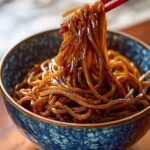
Classic Plain Lo Mein Noodles Recipe
- Prep Time: 15 minutes
- Cook Time: 12 minutes
- Total Time: 27 minutes
- Yield: 4 servings 1x
- Category: Main Course
- Method: Stovetop
- Cuisine: Chinese
Description
This Classic Plain Lo Mein Noodles recipe offers a simple yet flavorful dish featuring tender noodles tossed in a savory soy-based sauce with aromatic garlic, ginger, and green onions. Perfect as a quick, satisfying meal on its own or as a versatile base for adding your favorite vegetables or proteins.
Ingredients
Noodles
- 1 lb fresh lo mein noodles (or 12 oz dried egg noodles, cooked al dente)
Sauce
- 1/4 cup light soy sauce (or regular soy sauce)
- 1 tbsp dark soy sauce (optional, for color)
- 1 tbsp oyster sauce (optional, highly recommended for flavor)
- 1 tsp granulated sugar
- 1/2 tsp white pepper
- 1 tsp cornstarch
- 2 tbsp water (for cornstarch slurry)
- 1 tsp sesame oil (to add at the end of the sauce)
Aromatics and Oil
- 1 tbsp vegetable oil (for tossing noodles)
- 2 tbsp vegetable oil (or peanut oil) for stir-frying
- 3 cloves garlic (minced)
- 1 tbsp fresh ginger (grated or minced)
- 2 green onions, sliced (white and green parts separated)
Instructions
- Cook Noodles: Bring a large pot of generously salted water to a rolling boil. Add fresh lo mein noodles and cook according to package directions until al dente (usually 2-3 minutes for fresh, 5-7 minutes for dried). Avoid overcooking to maintain texture.
- Drain and Toss Noodles: Drain noodles thoroughly in a colander. For fresh noodles, rinse quickly with cold water to prevent sticking, then drain well. Toss the noodles with 1 tablespoon vegetable oil to prevent clumping and set aside.
- Prepare Sauce: In a small bowl, whisk together light soy sauce, dark soy sauce (if using), oyster sauce (if using), sugar, and white pepper. In a separate small bowl, mix cornstarch and 2 tablespoons water to form a slurry. Add slurry and sesame oil to the sauce mixture and whisk until smooth. Set aside.
- Heat Aromatics: Heat 2 tablespoons vegetable oil in a wok or large skillet over medium-high heat until shimmering. Add minced garlic, grated ginger, and the white parts of green onions. Stir-fry for about 30 seconds until fragrant, taking care not to burn the garlic.
- Toss Noodles with Sauce: Add the cooked noodles back to the wok. Pour the prepared sauce over the noodles. Using tongs or spatulas, toss continuously for 2-3 minutes to evenly coat the noodles and heat through. The sauce will thicken slightly as it cooks.
- Add Green Onions: Add the green parts of the sliced green onions to the wok. Toss for 30 seconds to 1 minute until the green onions are wilted but still vibrant.
- Serve: Transfer the lo mein noodles to serving plates immediately. Serve hot and enjoy!
Notes
- For richer flavor, add a splash of Shaoxing wine to the sauce mixture.
- Add a pinch of red pepper flakes with the garlic and ginger for heat.
- This plain lo mein works wonderfully as a base for stir-fried vegetables or proteins like chicken, beef, or tofu.
- Using fresh noodles enhances texture and taste, but dried noodles cooked al dente are a good substitute.
Keywords: Lo Mein, Noodles, Chinese Noodles, Stir-Fry, Easy Dinner, Vegetarian Option