

Ragi Soup Recipe
If you’re looking for a comforting yet nutritious bowl to warm you up, this Ragi Soup Recipe is like a gentle hug from the inside out. It’s packed with wholesome ingredients like ragi (finger millet), fresh veggies, and warming spices that come together in a way that’s both satisfying and easy on the digestion. Whenever I need a cozy meal that’s also good for the body, this soup is my go-to.
What makes this Ragi Soup Recipe truly special is its simplicity and versatility—plus, it cooks up in about 25 minutes, perfect for busy days when you want something nourishing without a fuss. You’ll love how the ragi thickens the broth naturally, giving the soup a silky texture that’s comforting but light. If you haven’t tried ragi before, this recipe is a delicious introduction that’s well worth your kitchen’s attention.
Ingredients You’ll Need
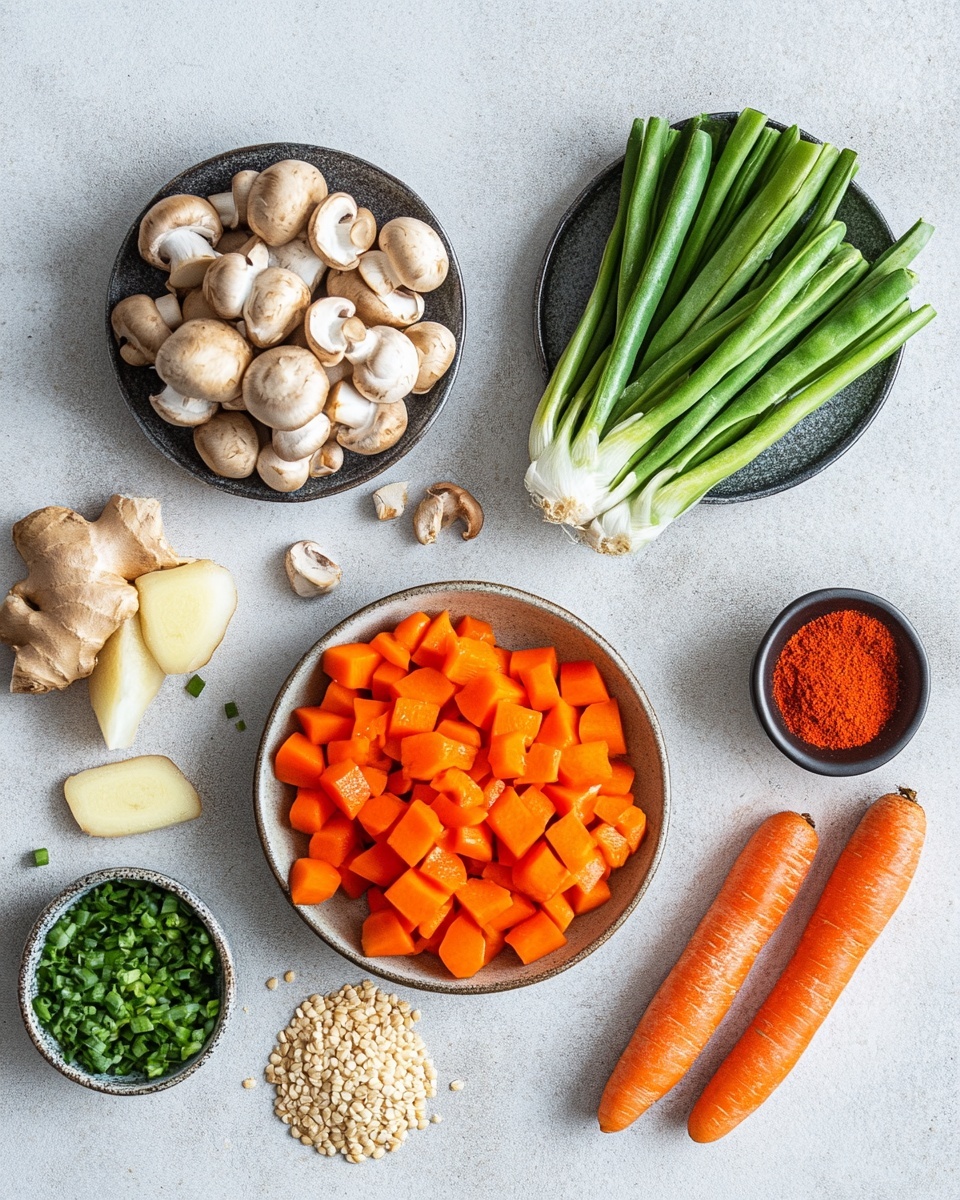
The ingredients in this Ragi Soup Recipe are easy to find and come together beautifully to build layers of flavor and nutrition. Each one plays a role in adding earthiness, warmth, or texture, so picking fresh, quality produce really makes a difference here.
- Ghee: Adds a rich, nutty aroma and helps toast the spices perfectly.
- Jeera (Cumin Seeds): Gives the soup a warm, earthy base—essential for that comforting depth.
- Fresh Ginger (chopped): Brings a subtle spicy kick that brightens every spoonful.
- Carrots (diced): Offer natural sweetness and a lovely chew.
- French Green Beans (diced): Add a fresh, crisp vegetable bite that balances the flavors.
- Water: The liquid base for your soup; using filtered water prevents any off flavors.
- Salt: Enhances all the natural flavors without overpowering.
- Pepper: Adds a touch of heat and complexity.
- Mushrooms (chopped): Provide umami richness and a meaty texture to round out the soup.
- Ragi (Finger Millet): The star ingredient—gives the soup body and loads of fiber and minerals.
Variations
I love to tweak this Ragi Soup Recipe here and there depending on what’s in season or how hearty I want it to be. Feel free to adapt it to your taste, and you’ll find it’s quite forgiving and flexible.
- With Coconut Milk: I sometimes add a splash of coconut milk towards the end for a creamy twist that softens the spice while keeping it dairy-free.
- Spicy Version: Adding a pinch of red chili flakes or a chopped green chili works wonders if you want a little heat.
- Veggie Swap: You can swap the carrots and beans for whatever you have—like zucchini, peas, or spinach—and it still turns out great.
- Vegan Option: Simply use oil instead of ghee, and you’ve got a plant-based version that’s just as delicious.
- Thick or Thin: Adjust the amount of water or ragi slurry to make it more like a stew or a broth, depending on your mood.
How to Make Ragi Soup Recipe
Step 1: Toasting the Flavors
Start by heating 2 teaspoons of ghee in your pot until shimmering. Toss in 1 teaspoon of cumin seeds and wait for them to start spluttering—this releases that wonderful aroma that signals you’re on the right track. Then, in go the chopped ginger, diced carrots, French green beans, 1 teaspoon salt, and ½ teaspoon pepper. Pour in 3.5 cups of water, and get ready for the flavors to blend as it comes to a boil.
Step 2: Simmer and Soothe
Once boiling, reduce your heat to a gentle simmer. Let everything mingle for about 10 minutes until the veggies soften nicely but still hold their shape. This slow simmer really helps the soup develop a mellow sweetness that’s just so satisfying.
Step 3: Adding Mushrooms for Earthiness
Stir in the chopped mushrooms and continue to simmer for 2–3 minutes more. Mushrooms bring a lovely umami boost and texture that keeps this soup from feeling too light—trust me, it’s a game changer.
Step 4: Preparing the Ragi Slurry
While the soup simmers, mix ½ cup of water with ½ cup of ragi flour or ground finger millet in a separate bowl. Whisk it well until you have a smooth, lump-free slurry. This step is crucial—lumps can turn your soup into a clumpy mess, so make sure it’s silky smooth.
Step 5: Thickening the Soup
Slowly add the ragi slurry to your pot while stirring continuously. Keep stirring gently but consistently as the soup starts to thicken—this usually takes about 4 to 5 minutes on a low simmer. The gradual thickening is what gives this soup its comforting body. Once thickened, switch off the heat and let it sit for a couple of minutes before serving.
How to Serve Ragi Soup Recipe
Garnishes
I’m a big fan of finishing this Ragi Soup Recipe with fresh garnishes like a sprinkle of chopped coriander or even some finely sliced spring onions to add brightness. A few drops of fresh lemon juice or a drizzle of coconut cream can also elevate the flavors beautifully. It’s those little touches that make eating this soup feel truly special.
Side Dishes
This soup pairs wonderfully with warm, crusty bread or soft chapati to soak up every last bit. Sometimes, I’ll serve it alongside a simple cucumber raita or a fresh salad for contrast. It’s light enough to be a starter but hearty enough to stand on its own as a main meal.
Creative Ways to Present
For special occasions, I like to serve this soup in little cups or rustic mugs with a swirl of coconut cream on top and freshly cracked black pepper. Adding a sprinkle of toasted pumpkin seeds or crushed nuts adds a pleasant crunch that impresses guests without much extra effort. Presentation really helps show off how much you care.
Make Ahead and Storage
Storing Leftovers
I keep leftover Ragi Soup in an airtight container in the fridge for up to 2 days. When storing, I make sure it cools down to room temperature before sealing it to prevent sogginess. The flavors actually deepen overnight, so you might find it tastes even better the next day!
Freezing
Freezing is totally possible but I recommend portioning the soup out in smaller containers because ragi-thickened soups can separate a bit. Just thaw it overnight in the fridge before reheating to keep it smooth, and give it a good stir after warming up.
Reheating
When reheating your Ragi Soup, do it gently on the stovetop over low heat with a splash of water or broth to loosen the texture. Stir frequently until it’s warmed through. Avoid microwaving as it can cause uneven heating and lumpy texture. Slow and steady wins the race here!
FAQs
-
What is ragi and why use it in this soup?
Ragi, also known as finger millet, is a whole grain packed with fiber, calcium, and essential minerals. Using it in this soup adds natural thickness and nutrition without relying on flour or cream. It’s especially great for those looking for gluten-free and wholesome meal options.
-
Can I make this Ragi Soup Recipe vegan?
Absolutely! Simply substitute the ghee for any neutral oil like coconut or olive oil, and the recipe remains delicious and plant-based. The ragi slurry will still provide that lovely texture and richness, so don’t skip it.
-
How thick should the soup be?
The soup should be thick enough to coat the back of a spoon but still pourable—a creamy, comforting consistency that’s not too runny or pudding-like. You can adjust thickness by varying the amount of ragi slurry or water to your liking.
-
Can I add other vegetables?
Yes! This recipe is very adaptable. You can add seasonal veggies like zucchini, sweet potatoes, or spinach. Just make sure to chop them into small pieces so they cook evenly within the simmer time.
-
Is this soup kid-friendly?
Definitely! The mild flavors and smooth texture make it great for kids. You can also blend the soup slightly if your little ones prefer a smoother consistency.
Final Thoughts
Honestly, this Ragi Soup Recipe has become a staple in my kitchen because it’s so easy, comforting, and nourishing all at once. Whether you’re feeling under the weather, want a light meal, or just crave something warm and wholesome, it really fits the bill. I hope you give it a try soon—you won’t regret adding this cozy, nutrient-packed soup to your rotation.
Print
Ragi Soup Recipe
- Prep Time: 5 minutes
- Cook Time: 20 minutes
- Total Time: 25 minutes
- Yield: 2 servings 1x
- Category: Soup
- Method: Stovetop
- Cuisine: Indian
- Diet: Gluten Free
Description
This comforting Ragi Soup is a nutritious and hearty dish made with finger millet (ragi), fresh vegetables, and aromatic spices. It combines the earthy flavor of ragi with carrots, green beans, and mushrooms, gently simmered in ghee and seasoned with cumin, ginger, salt, and pepper. Perfect as a warming meal that is both wholesome and easy to digest.
Ingredients
Spices and Fats
- 2 teaspoons Ghee
- 1 teaspoon Jeera (Cumin Seeds)
- 1 ½ teaspoons Ginger, chopped
Vegetables
- ¾ cup diced Carrots
- ¾ cup diced French Green Beans
- 1 cup chopped Mushrooms
Grains
- ½ cup Ragi (Finger Millet)
Liquids and Seasoning
- 3.5 cups Water (for boiling vegetables)
- ½ cup Water (for ragi slurry)
- 1 teaspoon Salt
- ½ teaspoon Pepper
Instructions
- Heat Ghee and Temper Cumin Seeds: In a pot, warm the ghee over medium heat. Add the cumin seeds and wait until they start to splutter, releasing their aroma.
- Add Vegetables and Spices: Stir in the chopped ginger, diced carrots, and green beans. Season with salt and pepper, then pour in 3.5 cups of water.
- Simmer Vegetables: Bring the mixture to a boil, then reduce the heat to maintain a gentle simmer. Cook for 10 minutes to soften the vegetables.
- Add Mushrooms: Add the chopped mushrooms to the simmering soup and continue cooking for 2-3 more minutes.
- Prepare Ragi Slurry: In a separate bowl, mix the ragi flour with half a cup of water, stirring thoroughly to create a smooth, lump-free slurry.
- Incorporate Ragi into Soup: Slowly pour the ragi slurry into the pot while continuously stirring to avoid lumps and ensure even distribution.
- Cook Until Thickened: Keep stirring the soup as it thickens, letting it simmer gently for another 4-5 minutes until it reaches a creamy consistency.
- Serve Hot: Turn off the heat and ladle the ragi soup into bowls. Serve immediately to enjoy its warmth and nourishing flavors.
Notes
- Stir the ragi slurry continuously when adding to prevent lumps.
- This soup pairs well with a side of steamed rice or bread for a complete meal.
- You can adjust the thickness by adding more water if it becomes too thick.
- Use fresh vegetables for the best flavor and texture.
- Ghee can be substituted with oil for a vegan variation, though it will alter the flavor.
Keywords: Ragi Soup, Finger Millet Soup, Healthy Indian Soup, Gluten Free Soup, Vegan Friendly Soup Option