Karpatka (Polish Carpathian Cream Cake) Recipe
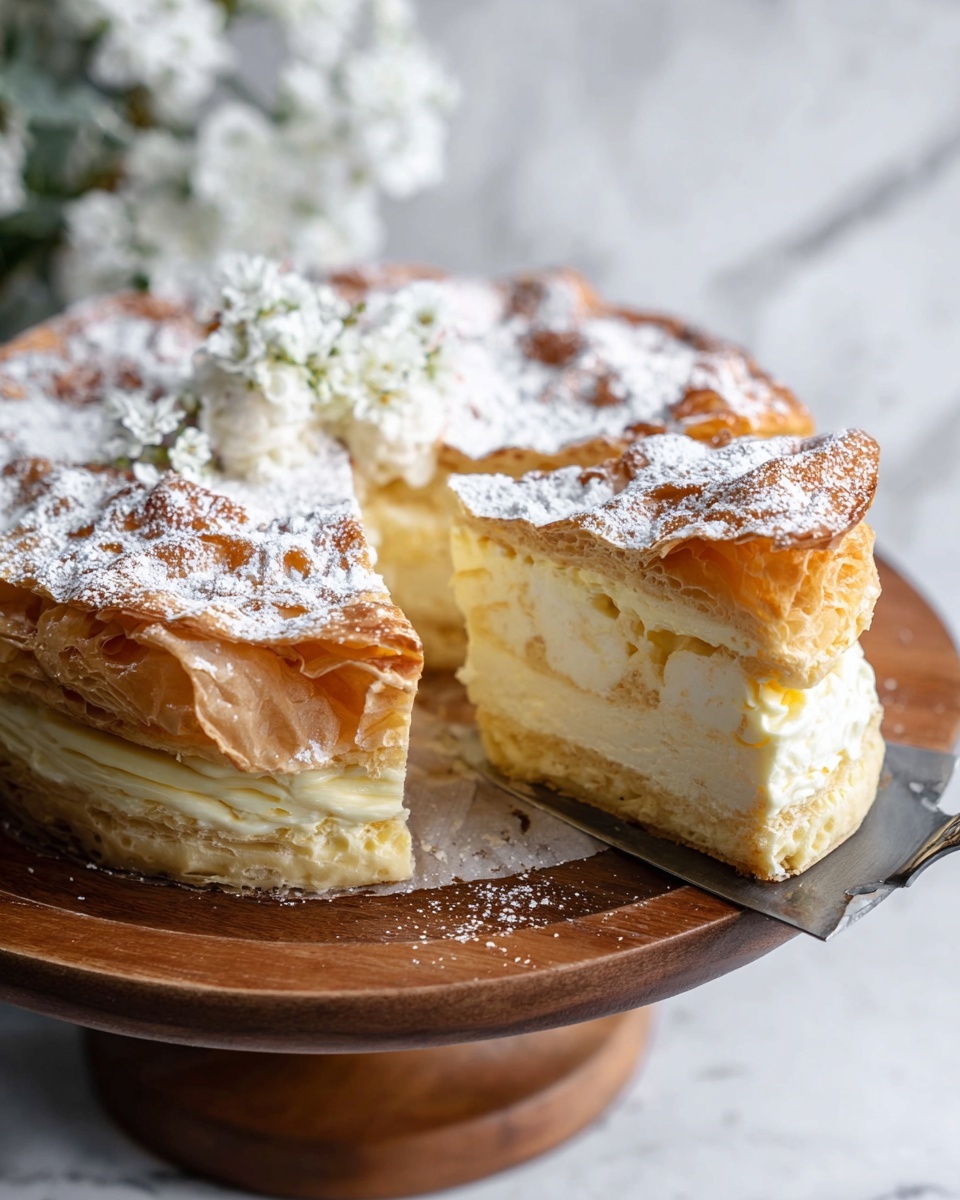
If you’re on the hunt for a show-stopping dessert that combines lightness with creamy indulgence, the Karpatka (Polish Carpathian Cream Cake) Recipe is exactly what you need to try next. This delightful treat features a unique choux pastry top and bottom, with a luscious layer of vanilla crème mousseline sandwiched in between, making every bite a perfect balance of textures and flavors. I love serving it when friends come over because it feels fancy yet homey at the same time.
What makes this Karpatka so special to me is how the choux pastry is shaped unevenly to mimic the peaks and valleys of the Carpathian Mountains, giving it a rustic charm that’s as beautiful as it is delicious. Whether it’s a birthday, holiday, or just a weekend craving you want to satisfy, this Polish Carpathian Cream Cake recipe is a guaranteed crowd-pleaser that’s surprisingly easy to master with a few handy tips I’m excited to share.
Ingredients You’ll Need
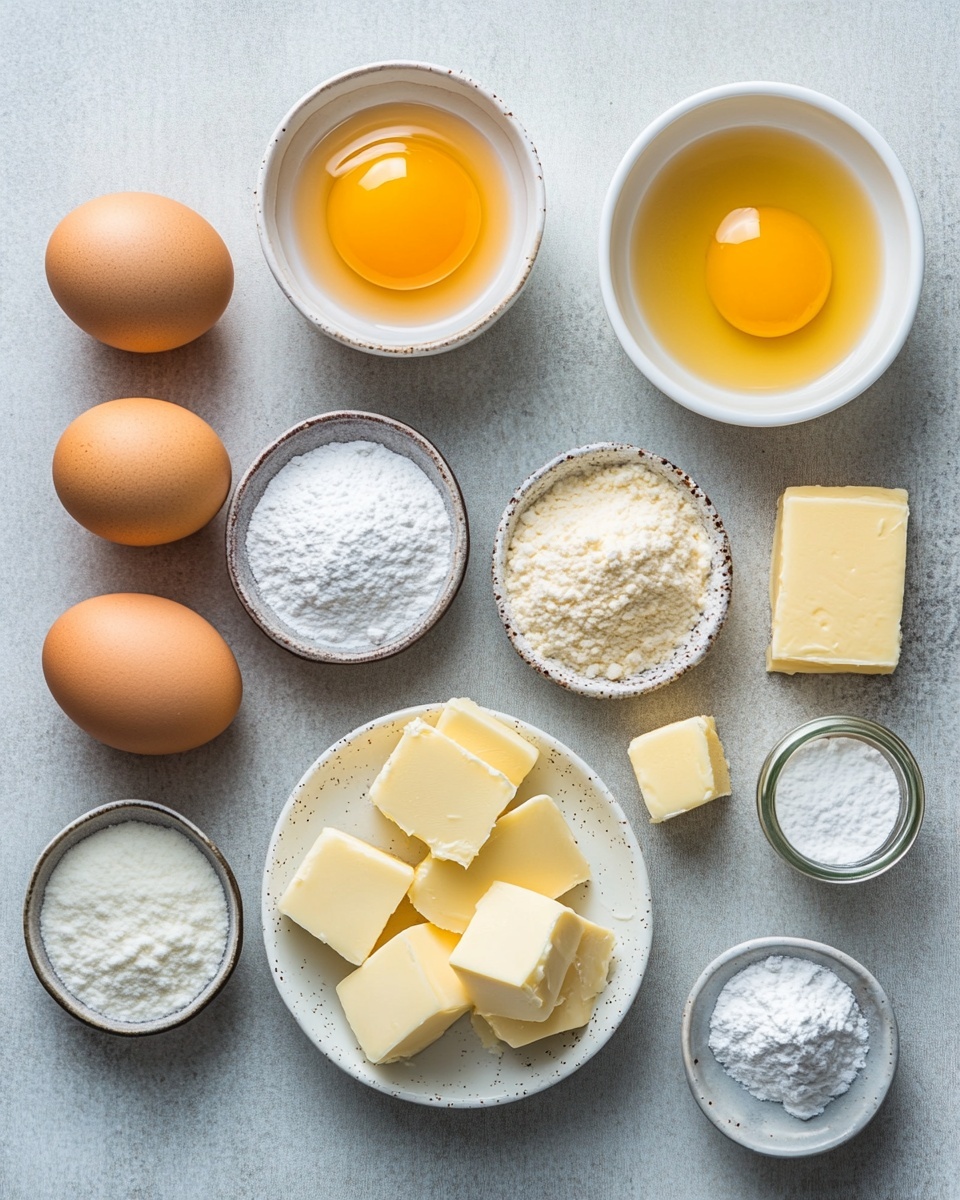
Each ingredient in this Karpatka (Polish Carpathian Cream Cake) recipe plays a key role in creating those fluffy pastry layers and that velvety cream filling. While nothing fancy is required, using quality basics like whole milk and room temperature butter truly elevate the final cake.
- Egg yolks: Richness and structure for the creamy custard—make sure they’re fresh for the best taste and texture.
- Granulated white sugar: Sweetens the cream without overpowering; I usually stick to regular sugar to keep flavors balanced.
- Potato starch: This thickener gives the custard its smooth yet stable consistency, perfect for spreading.
- Whole milk: Using whole milk adds richness to the custard, making it creamier and more satisfying.
- Salt: Just a pinch enhances all the flavors beautifully.
- Vanilla extract & vanilla bean paste: The vanilla bean paste adds tiny flecks for visual appeal and deeper flavor, but extra vanilla extract works too.
- Unsalted butter: Room temperature butter gives the cream that silky mousseline texture and helps spreadability.
- Water: For the choux pastry, ensuring it puffs perfectly in the oven.
- Unsalted butter (for choux): Enhances flavor and texture of the dough.
- Salt (for choux): Balances the dough flavors.
- All-purpose flour: The backbone of the choux pastry, providing structure.
- Eggs (for choux): Key to that airy, puffed texture in the pastry.
- Powdered sugar: A light dusting on top for that pretty, classic finish.
- Butter (for greasing pans): Prevents sticking and ensures easy cake removal.
Variations
I always encourage a little personalization when it comes to baked treats like Karpatka. This recipe is very forgiving, so you can mix things up based on your preferences or what’s on hand.
- Chocolate-infused cream: I once added a tablespoon of cocoa powder to the crème mousseline — it gave a subtle chocolate twist that my family adored.
- Fruit topping: Adding fresh berries or a berry compote on top brings a fresh, tangy contrast that cuts through the richness nicely.
- Gluten-free choux dough: For friends avoiding gluten, swapping all-purpose flour with a gluten-free blend can work — just keep an eye on the texture, as it may puff differently.
- Less sweet version: If you prefer your desserts less sugary, reduce the sugar in the cream by a quarter without affecting the custard’s consistency much.
- Flavor twists: Try adding a splash of almond or lemon extract alongside vanilla for a unique flair.
How to Make Karpatka (Polish Carpathian Cream Cake) Recipe
Step 1: Whip Up the Crème Mousseline Base
Start by beating the egg yolks together with 1/3 cup of sugar until the mixture becomes thick and pale yellow. It takes a few minutes, so don’t rush it — the texture here really sets the stage. Next, mix in the potato starch until smooth; this is going to give your custard that perfect thickness.
Meanwhile, heat the milk with the remaining sugar and salt in a saucepan, bringing it to a gentle simmer. Tip: don’t let it boil vigorously; you want just enough heat to cook the custard thoroughly without curdling.
Gradually whisk the hot milk into your egg mixture, starting slowly so your eggs don’t scramble. Pour everything back into the saucepan, add vanilla, and cook over low heat while whisking constantly — it should thicken in under a minute. Transfer to a bowl, cover with plastic wrap pressed directly onto the surface, and let it cool to room temp. This prevents a skin from forming — a total lifesaver!
Step 2: Prepare the Rustic Choux Pastry Layers
Preheat your oven to 380°F and get your springform pans ready with parchment and butter on the sides. Combine water, butter, and salt in a saucepan and bring to a boil. Remove from heat, then stir in all the flour at once — your dough should quickly clump into a ball.
Return to low heat and keep stirring for about 2 minutes to cook off excess moisture. This step is crucial; it helps the dough puff up beautifully in the oven. Let the dough cool a bit, then beat in the eggs one by one — this is where it transforms into that glossy, pipeable consistency.
Split the dough evenly on your pans, then spread it unevenly with a spoon to form natural peaks and valleys — this is the signature “mountain” look of Karpatka! Bake for about 25-28 minutes until golden and puffed. Let cool slightly, then gently remove to wire racks until fully cooled.
Step 3: Finish the Cream and Assemble
While your choux cakes cool, beat the butter with sugar until it’s pale and fluffy. Then, gradually add the cooled custard a spoonful at a time, mixing until your crème mousseline becomes smooth and lightweight — this typically takes 5 minutes of vigorous beating.
Once the cakes are fully cool, place one layer in your springform pan and spread the cream evenly on top. Add the second cake layer and press down gently. Refrigerate for at least an hour to let everything set — this step helps the flavors meld and makes slicing cleaner.
How to Serve Karpatka (Polish Carpathian Cream Cake) Recipe
Garnishes
I like to keep it simple with a generous dusting of powdered sugar on top — it’s classic and adds a touch of sweetness and eye appeal without overwhelming the delicate flavors. Sometimes, when I want to dress it up, a few fresh raspberries or edible flowers on the side adds that little something special.
Side Dishes
This dessert pairs wonderfully with a strong cup of coffee or a smooth black tea. I also love serving it alongside a light fruit salad, which provides a refreshing contrast to the rich creaminess of the cake.
Creative Ways to Present
For special occasions, I’ve sometimes presented Karpatka in individual portions using small springform pans or ramekins — it’s fun, elegant, and keeps things super neat. You can also drizzle a bit of chocolate or caramel sauce over the top for a decadent twist that’s sure to impress guests.
Make Ahead and Storage
Storing Leftovers
I usually store leftover Karpatka in an airtight container in the fridge, where it stays fresh for up to 3 days. The cream filling softens a bit over time, which I actually love because it makes the cake even more tender and flavorful—just keep it chilled until serving again.
Freezing
I’ve frozen Karpatka a couple of times by wrapping the whole cake tightly in plastic wrap and then aluminum foil. When thawed overnight in the refrigerator, it retains good texture and flavor, although the choux doesn’t stay as crisp after thawing, it’s still delicious.
Reheating
I don’t typically reheat this cake because it’s best enjoyed cold or at room temperature. If you prefer it less chilled, just take it out of the fridge about 20-30 minutes before serving to soften the cream slightly.
FAQs
-
Can I make Karpatka (Polish Carpathian Cream Cake) Recipe ahead of time?
Absolutely! You can prepare the cake a day in advance and refrigerate it until serving. This actually helps the flavors meld together and makes slicing easier.
-
What is crème mousseline and how is it different from pastry cream?
Crème mousseline starts as a pastry cream (crème pâtissière) but then has butter beaten into it, giving it a richer, creamier, and fluffier texture that’s perfect for filling cakes like Karpatka.
-
Can I substitute potato starch with cornstarch in the Karpatka recipe?
Yes, cornstarch is a common substitute and will still give a thick custard, though potato starch tends to provide a silkier texture.
-
How do I prevent the choux pastry from collapsing?
Make sure to bake the choux pastry at the right temperature and for the full recommended time without opening the oven door early. Also, cooking the dough properly on the stove to remove excess moisture will help it puff and set correctly.
-
Is Karpatka gluten-free or can it be made gluten-free?
Traditional Karpatka is not gluten-free because it uses all-purpose flour in the choux pastry. That said, experimenting with gluten-free flour blends can work with some adjustments to texture and baking times.
Final Thoughts
Every time I make this Karpatka (Polish Carpathian Cream Cake) Recipe, it reminds me why I fell in love with Polish desserts in the first place — simple ingredients transformed by love and technique into something truly special. It’s a cake that invites you to slow down and savor the moment, whether you’re sharing with family or treating yourself after a long day. Give it a try—I promise you’ll enjoy the process as much as the delicious results.
Print
Karpatka (Polish Carpathian Cream Cake) Recipe
- Prep Time: 45 minutes
- Cook Time: 45 minutes
- Total Time: 1 hour 30 minutes
- Yield: 12 servings 1x
- Category: Dessert
- Method: Baking
- Cuisine: Polish
Description
Karpatka is a classic Polish dessert known as Carpathian Cream Cake, featuring layers of light, fluffy choux pastry filled with a rich and creamy vanilla-flavored crème mousseline. This luscious cake is inspired by the rugged peaks of the Carpathian Mountains, reflected in the uneven, mountain-like texture of the baked choux. Perfect for special occasions or a decadent treat, Karpatka combines the delicate crumb of choux dough with a smooth, buttery pastry cream for an unforgettable dessert experience.
Ingredients
Crème Mousseline
- 5 large egg yolks
- 2/3 cup granulated white sugar (divided into 1/3 cup + 1/3 cup)
- 7 tablespoons potato starch
- 2 1/2 cups whole milk
- 1/4 teaspoon salt
- 2 teaspoons pure vanilla extract
- 2 teaspoons vanilla bean paste or additional vanilla extract
- 200 grams unsalted butter at room temperature (about 14 tablespoons + 1 teaspoon)
- 2 tablespoons granulated white sugar
Choux Pastry
- 3/4 cup water
- 6 tablespoons unsalted butter
- 1/8 teaspoon salt
- 3/4 cup all-purpose flour
- 3 large eggs
- 1 large egg yolk
Other
- Butter to grease the pans
- Powdered sugar for dusting on top
Instructions
- Make the Crème Pâtissière: In a medium bowl, beat together the egg yolks and 1/3 cup sugar with an electric mixer until thick and pale yellow. Incorporate the potato starch until smooth.
- Heat the milk mixture: Combine the remaining 1/3 cup sugar, whole milk, and salt in a medium saucepan over medium heat and bring to a gentle simmer.
- Temper the eggs: Remove milk from heat. Gradually whisk about 1 cup of hot milk into the egg yolk mixture a few drops at a time to prevent curdling. Then pour this mixture back into the pot; add vanilla extract and vanilla bean paste.
- Thicken the custard: Return the pan to low heat and whisk constantly until custard thickens, about less than a minute.
- Cool the custard: Transfer custard to a bowl, cover with plastic wrap directly on the surface to prevent skin formation, and cool to room temperature.
- Prepare the choux pastry pans: Preheat oven to 380°F. Line bottoms of two 8 or 9-inch springform pans with parchment; grease sides with butter.
- Make the choux dough: In a saucepan over medium heat, melt butter with water and salt. When melted, remove from heat and stir in flour all at once. Return to low heat and cook, stirring constantly, until dough forms a ball and leaves residue on bottom, about 2 minutes.
- Incorporate the eggs: Transfer dough to a bowl and let cool 5-10 minutes until warm but not hot. Using a mixer, beat in eggs and egg yolk one at a time until smooth and glossy.
- Shape the dough: Divide dough between pans, spreading to cover bottoms. Use back of spoon to create uneven peaks and divots resembling mountain ridges.
- Bake the choux cakes: Bake 25-28 minutes until puffed and golden brown.
- Cool the cakes: Let cool 10 minutes in pans, then remove and cool completely on wire racks.
- Finish the crème mousseline: Beat butter and 2 tablespoons sugar with a mixer in a large bowl until pale and fluffy. Gradually add custard a spoonful at a time, mixing well after each addition until all incorporated. Continue beating until light and fluffy, about 5 minutes.
- Cover the crème mousseline: If cakes aren’t completely cool, cover the cream with plastic wrap directly on the surface to prevent skin.
- Assemble the cake: Place one choux cake in a springform pan and spread the crème mousseline evenly on top. Place the second cake on top.
- Chill and serve: Refrigerate the assembled cake for at least 1 hour before removing the springform pan. Just before serving, dust the top with powdered sugar.
Notes
- Ensure the custard is properly tempered when combining hot milk with egg yolks to prevent scrambling.
- The uneven spreading of the choux dough mimics the appearance of the Carpathian Mountains.
- Greasing the springform pan sides and lining with parchment ensures easy removal without damage.
- Room temperature butter is key for smooth incorporation into the custard to make crème mousseline.
- Chilling the cake helps the flavors meld and sets the cream for easier slicing.
- Use high-quality vanilla extract and vanilla bean paste for the richest flavor.
Keywords: Karpatka, Polish dessert, Carpathian Cream Cake, choux pastry, crème mousseline, creamy cake, vanilla cream cake, traditional Polish recipe