Roast Pork with Seriously Good Crackling Recipe
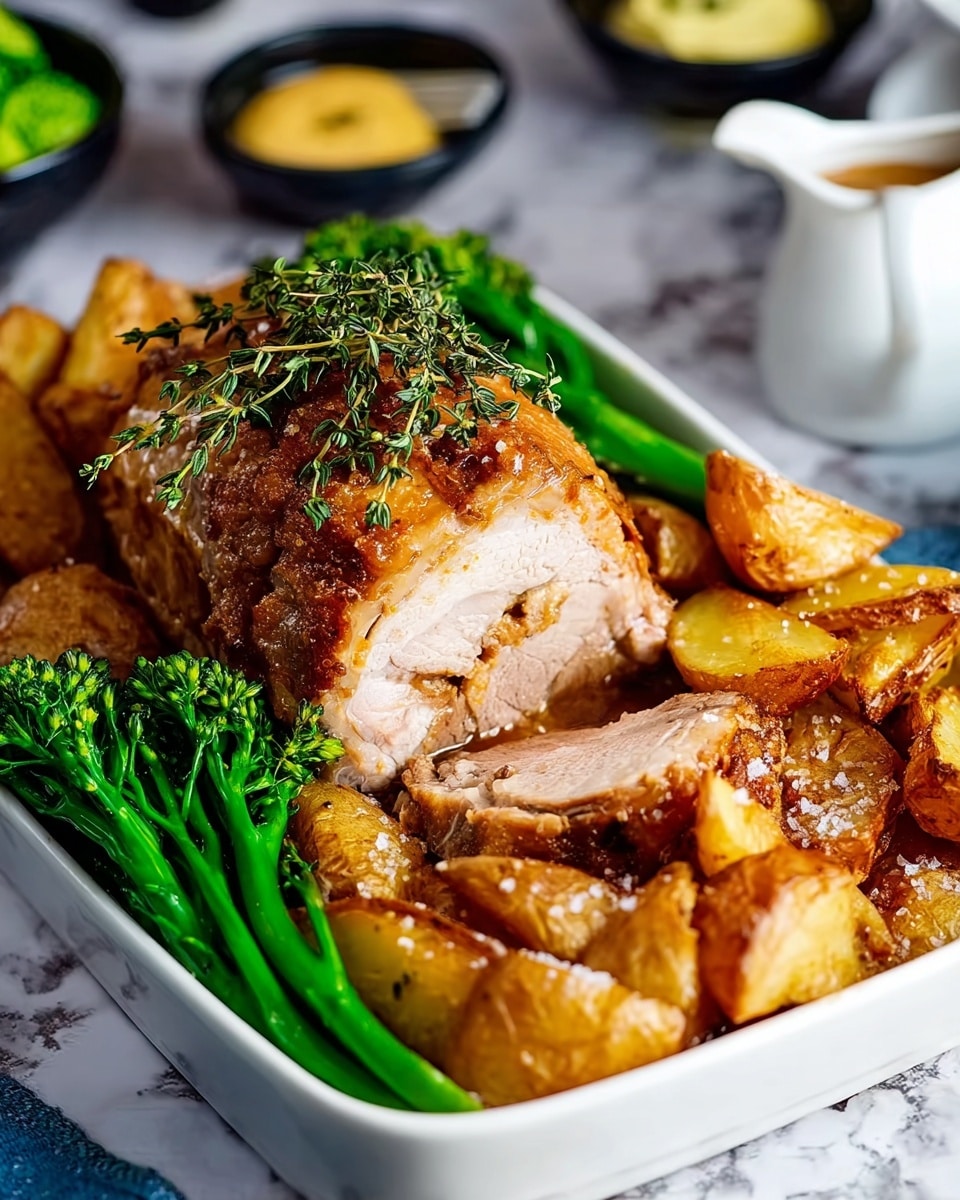
Alright, let me share one of my all-time favorite recipes: Roast Pork with Seriously Good Crackling Recipe. If you’ve ever struggled to get that crackling just right—crispy, crunchy, and utterly addictive—this recipe is going to change your roast game forever. The pork stays juicy and tender on the inside while the crackling pops perfectly on the outside, making it a beautiful centerpiece for any Sunday lunch or special dinner.
What I really love about this Roast Pork with Seriously Good Crackling Recipe is how straightforward it is, yet the results look like you’ve been roasting for hours. Plus, I’ll give you my insider tips to get that crackling to sing, even if you’re cooking pork shoulder (which is so flavorful). Trust me, once you try this, you’ll want to make it your go-to roast for holidays and cozy family meals alike.
Ingredients You’ll Need
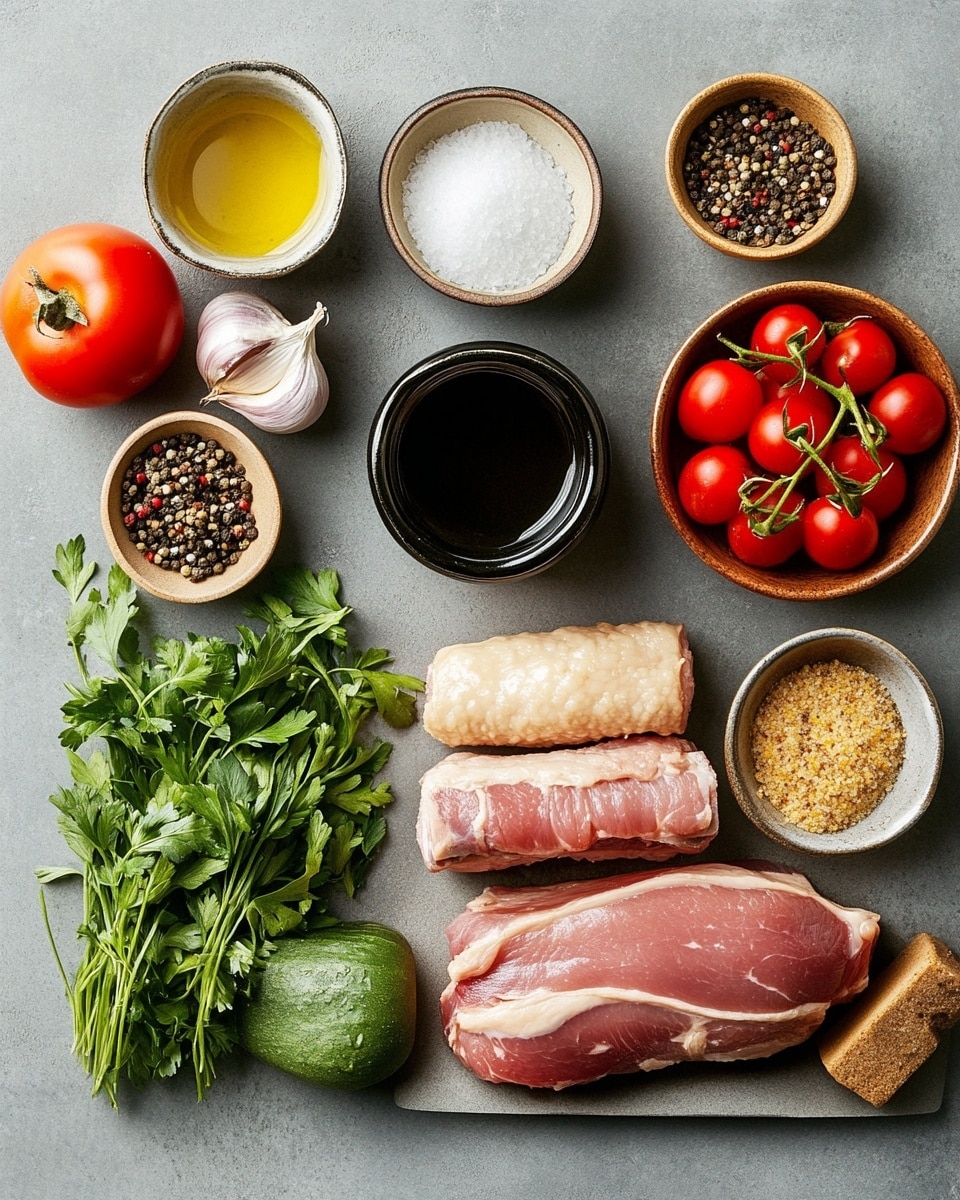
These ingredients work together to create a roast that’s bursting with herbaceous notes and perfectly seasoned, plus that magical crackling everyone dreams of. When shopping, look for a good quality rolled boneless pork shoulder with a nice layer of fat for the best crackling.
- Rolled boneless pork shoulder joint: The fat layer here is key for crackling, and the shoulder stays juicy and tender all throughout roasting.
- Garlic cloves: Minced fresh garlic imparts gentle warmth and depth to the roast flavor.
- Fresh thyme leaves or dried thyme: Thyme adds a lovely earthy lift that pairs beautifully with pork.
- Fresh parsley or dried parsley: Parsley keeps things fresh and bright—don’t skip it!
- Black pepper: Just enough to add subtle heat without overpowering the natural pork flavor.
- Sea salt: Crucial for getting the crackling crispy and seasoning the meat evenly.
- Chicken stock cubes: Used for a rich, savory gravy from the meat juices.
- Vegetable stock: Adds extra depth and moisture to your gravy.
- Gravy browning (optional): Just a splash for color if you prefer your gravy to look restaurant-style dark.
- Cornflour/cornstarch: For thickening the gravy perfectly without lumps.
- Cold water: Helps dissolve the cornflour for smooth gravy texture.
Variations
I love customizing this Roast Pork with Seriously Good Crackling Recipe depending on the occasion or what herbs I have on hand. Feel free to make it your own—it’s all about what you enjoy on your plate!
- Herb swap: Sometimes I swap thyme for rosemary or sage for a different aromatic touch. Rosemary gives the pork a robust, piney flavor I adore.
- Spice it up: Add a pinch of smoked paprika or a sprinkle of fennel seeds to the rub for a slightly smoky or aniseed twist.
- Dietary tweak: Use low-sodium stock cubes and sea salt if you’re watching your salt intake—you can always season the meat lightly beforehand.
- For busy days: You can score the skin the night before and refrigerate it uncovered—this dries it out perfectly, which really helps when making crackling.
- Sweet glaze: For a festive feel, brush the crackling with a little honey or maple syrup during the last 10 minutes of cooking for an irresistible glaze.
How to Make Roast Pork with Seriously Good Crackling Recipe
Step 1: Prepare the Pork and Score the Skin
Start by patting the pork skin dry with paper towels. Moisture is the enemy of crackling, so the drier the skin, the better. Use a very sharp knife or even ask your butcher to score the skin in narrow, even lines. Be careful not to cut into the meat itself—just the fat and skin. Then, rub the sea salt evenly into the scored skin; salt helps draw out moisture and begins the crackling magic. Mix your minced garlic, thyme, parsley, and black pepper and spread this rub on the meaty side of the joint—avoiding the skin.
Step 2: Roast Low and Slow, Then Blast High Heat
Place your pork shoulder on a rack in a roasting pan to allow air circulation under the joint and help the skin crisp up evenly. Roast it at a moderate 160°C (320°F) for about two and a half hours. This slow, steady heat lets the pork become meltingly tender. Once the meat is cooked through, crank the oven up to 220°C (430°F) and roast for an extra 20-30 minutes or until the crackling puffs up and bubbles into that golden, seriously good crackling we’re after. Keep a close eye during this high heat blast to ensure it doesn’t burn.
Step 3: Rest and Make the Gravy
When your pork has finished roasting, don’t skip the rest—it’s essential. Tent the joint loosely with foil and let it rest for at least 15-20 minutes to let those lovely juices redistribute. Meanwhile, scoop the meat juices from the roasting pan into a saucepan, add the crumbled chicken stock cubes, vegetable stock, salt, pepper, and optional gravy browning. Mix your cornflour with cold water until smooth and whisk this into the pan juices over medium heat. Stir continuously until the gravy thickens to your liking.
How to Serve Roast Pork with Seriously Good Crackling Recipe
Garnishes
I usually keep garnishes simple—a handful of freshly chopped parsley or thyme sprinkled over the sliced pork brightens up the dish beautifully. Sometimes I add a few roasted garlic cloves on the side, which you can squeeze onto the meat for extra flavor. Crispy crackling pieces on top are the ultimate garnish!
Side Dishes
This roast pairs wonderfully with classic roasted potatoes (you can cook them in the pork fat leftover from the pan—hello, flavor!), steamed green beans, and your favorite root vegetables like carrots and parsnips. A tangy apple sauce or cranberry jelly on the side also adds a fresh counterpoint to the savory pork.
Creative Ways to Present
For special occasions, I like arranging the sliced pork on a wooden serving board surrounded by colorful roasted vegetables and sprigs of fresh herbs. If you want to impress guests, serve the crackling separately on a platter for each person to enjoy the crunch fresh. Another twist is to create small pork sliders using leftovers with apple coleslaw—so delicious!
Make Ahead and Storage
Storing Leftovers
I always store leftover pork and crackling separately in airtight containers to keep the crackling from going soggy. The pork keeps well in the fridge for 3-4 days. This way you can reheat the meat gently while leaving the crackling crispy.
Freezing
Freezing cooked pork is totally doable—I wrap individual portions tightly in cling film and then in foil before freezing. Crackling doesn’t freeze well though; it tends to lose its crunch, so I recommend freezing the meat only and making fresh crackling next time if you can.
Reheating
To reheat, I cover the pork with foil and warm it gently in the oven at around 150°C (300°F) for 15-20 minutes. For crackling, I pop it under the grill for a minute or two to crisp it back up while watching carefully to avoid burning.
FAQs
-
What’s the secret to perfect crackling every time?
The key is very dry skin before roasting, scoring the skin without cutting into the meat, a generous salt rub to draw out moisture, and finishing with a high-heat blast at the end. Patience and close oven-watching during the high heat stage are also essential.
-
Can I use pork belly instead of pork shoulder for this Roast Pork with Seriously Good Crackling Recipe?
Absolutely! Pork belly works brilliantly if you want more fat and a different texture. Just adjust cooking times accordingly since belly tends to cook faster and can crisp quicker. The method for getting the crackling remains the same.
-
How do I make the gravy from the roast pork juices?
After roasting, pour the meat juices into a pan and crumble in chicken stock cubes, then add vegetable stock and seasonings. Whisk cornflour mixed with cold water into the juices over heat to thicken smoothly. Adjust seasoning to taste and add gravy browning if you want a deeper color.
-
Is it okay to cook the pork uncovered?
Yes! Roasting uncovered helps the skin dry out and crisp nicely. However, if the skin starts to brown too quickly during the slow roast, you can tent loosely with foil (just not too tightly) and then remove it for the high-heat finish.
-
Can I prepare this roast ahead of time?
You can score and season the pork the night before, keeping it uncovered in the fridge to dry the skin even more. This preparation step really boosts crackling quality and makes cooking day a breeze.
Final Thoughts
This Roast Pork with Seriously Good Crackling Recipe holds a special place in my kitchen—it’s the one I turn to when I want that comforting, show-stopping roast that everyone raves about. It’s not just a meal; it’s a little celebration wrapped in crispy crackling and juicy pork. Take your time with this recipe, trust the process, and I promise you’ll have a dish worthy of sharing with family and friends. Now, roll up your sleeves, and let’s get roasting—you’re about to impress big time!
Print
Roast Pork with Seriously Good Crackling Recipe
- Prep Time: 20 minutes
- Cook Time: 2 hours 45 minutes
- Total Time: 3 hours 5 minutes
- Yield: 6–8 servings 1x
- Category: Main Course
- Method: Roasting
- Cuisine: British
- Diet: Halal
Description
This Roast Pork with Seriously Good Crackling recipe features a succulent rolled boneless pork shoulder joint seasoned with garlic, thyme, parsley, sea salt, and black pepper. It is roasted to perfection to achieve crispy crackling and served with a rich, flavorful gravy made from the meat juices, chicken stock cubes, and vegetable stock. This classic and comforting dish is perfect for a hearty family meal or special occasion.
Ingredients
Roast Pork
- 2.2 – 2.5 kgs (4.8 – 5.5 lbs) rolled boneless pork shoulder joint
- 2 cloves garlic, minced
- 1 tsp fresh thyme leaves or 1/2 tsp dried thyme
- 1 tbsp fresh parsley, finely chopped or 1/2 tsp dried parsley
- 1/4 tsp black pepper
- 1 tbsp sea salt
Gravy
- Meat juices from your roasted pork
- 3 chicken stock cubes, crumbled
- 720 ml (3 cups) hot vegetable stock from boiled/steamed vegetables and potatoes
- 1/4 tsp salt
- 1/4 tsp black pepper
- 1/4 tsp gravy browning (optional)
- 2 tbsp cornflour (cornstarch)
- 5 tbsp cold water
Instructions
- Prepare the Pork: Preheat your oven to the appropriate roasting temperature (usually around 180°C or 350°F). Score the skin of the rolled pork shoulder firmly with a sharp knife to help the crackling form. Rub the minced garlic, thyme, parsley, black pepper, and sea salt evenly all over the pork, making sure to work the salt into the scored skin to aid in crisping.
- Roast the Pork: Place the pork shoulder on a roasting rack inside a roasting pan. Roast in the preheated oven for about 2.5 to 3 hours, or until the internal temperature reaches 75°C (165°F) and the skin is crisp and golden brown. Baste the pork occasionally with the drippings to keep it moist and enhance flavor.
- Rest the Meat: Once cooked, remove the pork from the oven and transfer to a carving board. Tent loosely with foil and allow to rest for 15-20 minutes to redistribute the juices before carving.
- Make the Gravy: Pour the meat juices from the roasting pan into a saucepan, discard any large bits of fat but keep some drippings for flavor. Add the crumbled chicken stock cubes and hot vegetable stock to the pan. Stir in salt, black pepper, and gravy browning if using. Bring the mixture to a gentle boil.
- Thicken the Gravy: In a small bowl, mix the cornflour with cold water to form a smooth slurry. Gradually whisk this slurry into the boiling gravy stock. Continue stirring until the gravy thickens to your desired consistency. Adjust seasoning if necessary.
- Serve: Carve the rested pork shoulder and serve with the hot gravy and your choice of sides like roasted vegetables or potatoes.
Notes
- For best crackling, make sure the pork skin is dry before rubbing with salt and seasoning.
- Scoring the skin deeply without cutting into the meat helps achieve crispy crackling.
- Use a roasting rack to allow air to circulate and fat to drip away, promoting even cooking and crisp crackling.
- Resting the meat after roasting is crucial to keep it juicy and tender.
- Gravy browning is optional and can enhance the color and flavor of the gravy.
- Vegetable stock from boiled vegetables adds depth to the gravy, but chicken stock cubes provide additional savory flavor.
Keywords: roast pork, pork shoulder, crispy crackling, homemade gravy, British roast, Sunday roast