
Pastel de Nata Recipe (Portuguese Custard Tarts) Recipe
If you’re anything like me, you know that some desserts just have a way of warming the soul—and Pastel de Nata is definitely one of those treats. This Pastel de Nata Recipe (Portuguese Custard Tarts) recipe brings together buttery, flaky puff pastry with a creamy, cinnamon-kissed custard that’s lightly caramelized on top. It’s the kind of pastry that pairs perfectly with your morning coffee or an afternoon tea break, and once you taste one, you’ll see why these little tarts have become a worldwide favorite.
What I adore about this recipe is how it balances simple ingredients to create something truly special. It’s a lovely project if you want to impress guests or just treat yourself at home. Plus, making these tarts from scratch is easier than you think — with a few straightforward steps and some insider tips, you’ll be biting into your own homemade Pastel de Nata in no time. Let’s dive into the details to make sure your tarts come out perfectly every single time!
Ingredients You’ll Need
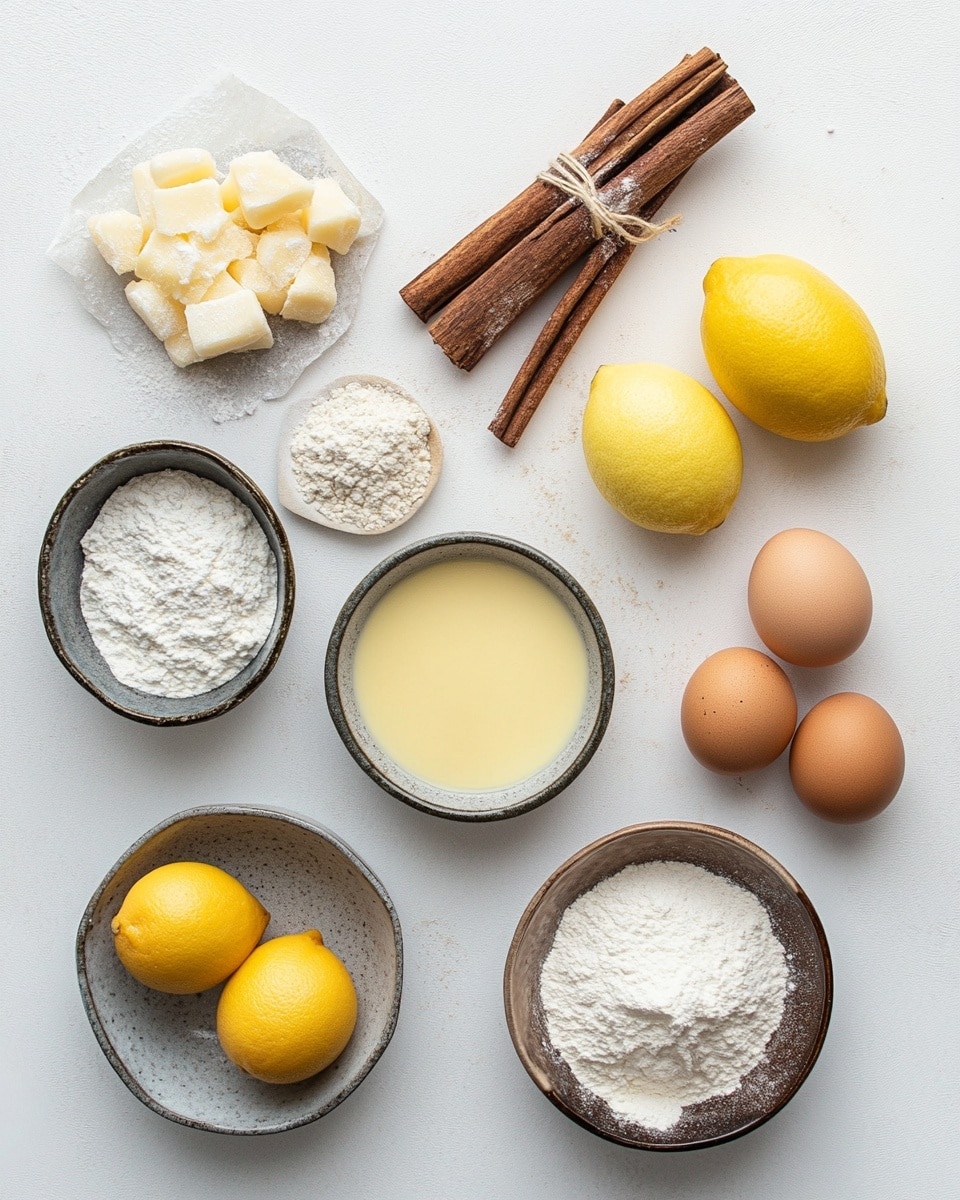
These ingredients are the heart of the Pastel de Nata magic, combining to create a contrast of textures and flavors. Make sure you have all your essentials on hand before starting; fresh lemon peel and a good cinnamon stick really make the custard shine!
- Frozen puff pastry: Thawed but kept cold before rolling—this is your flaky, buttery base that makes these tarts irresistibly crispy.
- Flour: Just a bit for dusting your surface and thickening the custard for that perfect creamy texture.
- Granulated sugar: Balanced sweetness is key; too much can overpower the delicate custard.
- Whole milk: It gives richness and smooth creaminess to the custard filling.
- Cinnamon stick: Steeping this in milk infuses the custard with a warm, aromatic depth.
- Lemon peel: Adds a fresh, citrus note that cuts through the richness—just be careful to avoid the bitter white pith.
- Egg yolks: Six large yolks are what make the custard silky and give it that beautiful golden color.
- Ground cinnamon and powdered sugar (optional): Use these for dusting your tarts just before serving for that classic look and extra flavor.
Variations
I love to experiment with this Pastel de Nata Recipe (Portuguese Custard Tarts) recipe by tweaking the spice and citrus elements a bit. Feel free to personalize it—you’ll find some variations can make the experience even more fun.
- Orange zest: Sometimes I swap out the lemon peel for orange zest for a sweeter citrus aroma that complements the cinnamon beautifully.
- Vanilla bean: Adding a scrap of vanilla bean or a splash of vanilla extract can elevate the custard’s flavor subtly but deliciously.
- Egg substitute: If you want a lighter custard, you can experiment by removing one yolk and replacing it with a little cornstarch, though the texture will be lighter, not as rich.
- Gluten-free crust: For friends who can’t do gluten, try a gluten-free puff pastry—you won’t miss out on the flaky layers!
How to Make Pastel de Nata Recipe (Portuguese Custard Tarts) Recipe
Step 1: Prep Your Puff Pastry Like a Pro
Start by rolling out your thawed puff pastry on a lightly floured surface. You want it thin but not too delicate—about an eighth of an inch thick is perfect. This gives you those signature crispy, flaky layers once baked. Then, cut the dough into circles large enough to fit into your tart tins, pressing gently to line the bottoms and sides evenly. Pro tip: chill the tart moulds briefly after lining them; it helps keep the pastry from shrinking as it bakes.
Step 2: Making the Silky Custard
In a saucepan, whisk together sugar and flour until combined, then slowly add warm milk infused with the cinnamon stick and lemon peel (which you should remove before mixing with eggs). Heat the mixture gently, stirring constantly until it thickens to a smooth pudding-like consistency. Remove from heat and let it cool slightly before whisking in your egg yolks one by one. Don’t rush here—if the custard is too hot, the eggs might scramble, and nobody wants that!
Step 3: Filling and Baking the Tarts
Pour the custard into each pastry shell, filling them almost to the top but leaving a tiny gap to prevent overflow. Pop the tarts into a preheated oven at around 475°F (245°C). The high heat is essential—it creates those lovely caramelized, blistered spots on the custard’s surface while baking the pastry to golden perfection in about 12-15 minutes. Keep an eye on them; every oven is a little different! When done, the custard should jiggle just slightly in the center.
How to Serve Pastel de Nata Recipe (Portuguese Custard Tarts) Recipe
Garnishes
I love sprinkling a little ground cinnamon and powdered sugar on top right before serving — it adds charm and a little extra warmth to each bite. Sometimes, I add a tiny zest of lemon or even a star anise on the side as a nod to the flavors inside.
Side Dishes
These tarts are incredible on their own or paired with a rich espresso or a light, floral tea like jasmine or chamomile. In Portugal, they’re often enjoyed with a simple café com leite, which I’ve now made a tradition whenever I bake these at home.
Creative Ways to Present
For special occasions, I like to serve Pastel de Nata on a rustic wooden board with fresh berries and a small drizzle of honey nearby. It’s a delight to the eyes and unexpected for a custard tart. Another fun idea is mini tart versions in cupcake liners for parties — they’re super cute and easy to handle.
Make Ahead and Storage
Storing Leftovers
If you have leftovers (a rare occurrence!), store them in an airtight container in the fridge. They’ll stay fresh for about 2 days. I suggest eating them at room temperature rather than straight from the fridge to enjoy that soft custard and flaky crust best.
Freezing
I’ve frozen these before with good results—just wrap each tart tightly in plastic wrap and place in a freezer-safe container. They freeze well for up to a month. Thaw overnight in the refrigerator before reheating.
Reheating
Reheating Pastel de Nata is best done in a hot oven at around 350°F (175°C) for 5-7 minutes to revive that crisp pastry. Avoid the microwave—it makes the crust soggy pretty fast. This little step brings them close to freshly baked in texture!
FAQs
-
Can I use store-bought puff pastry for Pastel de Nata Recipe (Portuguese Custard Tarts) Recipe?
Absolutely! Store-bought puff pastry works beautifully and saves time. Just make sure it’s properly thawed and handled gently to keep those layers intact. This makes the recipe quick and accessible without sacrificing that flaky texture.
-
Why does my custard sometimes crack or curdle?
That can happen if the custard cooks too fast or the eggs are added when the milk mixture is too hot. To prevent curdling, temper your egg yolks by slowly whisking in a small amount of warm milk mixture before combining fully, and always cook gently over medium heat while stirring.
-
What’s the best way to get the authentic caramelized spots on top?
High oven temperature is key here—baking at around 475°F (245°C) encourages caramelization quickly before the custard overcooks. Don’t open the oven door too early, and rotate your tray halfway through if your oven hot spots are uneven.
-
Can I make these tarts ahead of time?
Yes, you can prepare the custard and line the pastry shells in advance and assemble just before baking. You can also bake them and gently reheat before serving, but freshly baked is always best for crispness.
Final Thoughts
This Pastel de Nata Recipe (Portuguese Custard Tarts) recipe holds a special place in my kitchen—it’s comfort and celebration all wrapped into one delicious bite. I hope you find joy and confidence making them as much as I do, whether it’s a lazy weekend morning or a festive gathering. Give it a try, and I promise you’ll be hooked on these golden, custardy wonders that taste like a warm hug from Portugal.
Print
Pastel de Nata Recipe (Portuguese Custard Tarts) Recipe
- Prep Time: 20 minutes
- Cook Time: 15 minutes
- Total Time: 35 minutes
- Yield: 8 tarts 1x
- Category: Dessert
- Method: Baking
- Cuisine: Portuguese
Description
Pastel de Nata, also known as Portuguese Custard Tarts, are delightful flaky pastries filled with a creamy, cinnamon-scented egg custard. Originating from Lisbon, these tarts feature a crisp puff pastry shell enveloping a rich, silky custard that is caramelized on top with a quick blast in a hot oven. This recipe provides a simple way to create these iconic tarts at home with easily accessible ingredients.
Ingredients
Pastry
- 1 sheet frozen puff pastry, thawed
- Flour for dusting
Custard Filling
- 3/4 cup (150g) granulated sugar
- 1/3 cup (40g) all-purpose flour
- 1 1/4 cups (300ml) whole milk
- 1 cinnamon stick
- Peel from 1 lemon (use a vegetable peeler to avoid the bitter white pith)
- 6 large egg yolks
For Serving (Optional)
- Ground cinnamon for dusting
- Powdered sugar for dusting
Instructions
- Prepare the Puff Pastry: Lightly dust a clean surface with flour. Roll out the thawed puff pastry sheet slightly to even out any folds or creases. Cut the pastry into circles large enough to fit into a standard muffin or tart tin, gently pressing the pastry into each cavity to form the tart shells. Chill the shells in the refrigerator while preparing the custard.
- Make the Custard Base: In a medium saucepan, whisk together the sugar and flour to combine. Slowly pour in the milk while whisking to avoid lumps. Add the cinnamon stick and the lemon peel. Place over medium heat and cook, stirring constantly until the mixture thickens to a creamy, pudding-like consistency. Remove from heat and discard the cinnamon stick and lemon peel.
- Incorporate Egg Yolks: Slightly beat the egg yolks in a separate bowl. Temper the yolks by gradually adding a small amount of the warm milk mixture to them while whisking. Then slowly pour the tempered yolks back into the saucepan with the rest of the custard mixture, stirring well to combine thoroughly.
- Assemble the Tarts: Preheat the oven to a high temperature of 475°F (245°C). Pour the custard filling carefully into the prepared puff pastry shells, filling almost to the top.
- Bake the Tarts: Place the tart tin in the preheated oven and bake for 12-15 minutes or until the custard is set and the tops develop dark caramelized spots, characteristic of Pastel de Nata. The pastry should be golden and crispy.
- Cool and Serve: Remove the tarts from the oven and let them cool in the tin for several minutes. Transfer to a wire rack to cool slightly. Dust with ground cinnamon and powdered sugar if desired before serving warm or at room temperature.
Notes
- Use a vegetable peeler to remove just the outer peel of the lemon to avoid any bitter white pith.
- High oven temperature is crucial to get the signature caramelized spots on the custard.
- Chilling the pastry shells before filling helps maintain their shape during baking.
- Serve the tarts fresh out of the oven or at room temperature for best texture and flavor.
- Storage: keep leftovers refrigerated and consume within 2 days for optimal freshness, reheating briefly before serving.
Keywords: Pastel de Nata, Portuguese custard tarts, puff pastry dessert, egg custard tart, traditional Portuguese pastry