
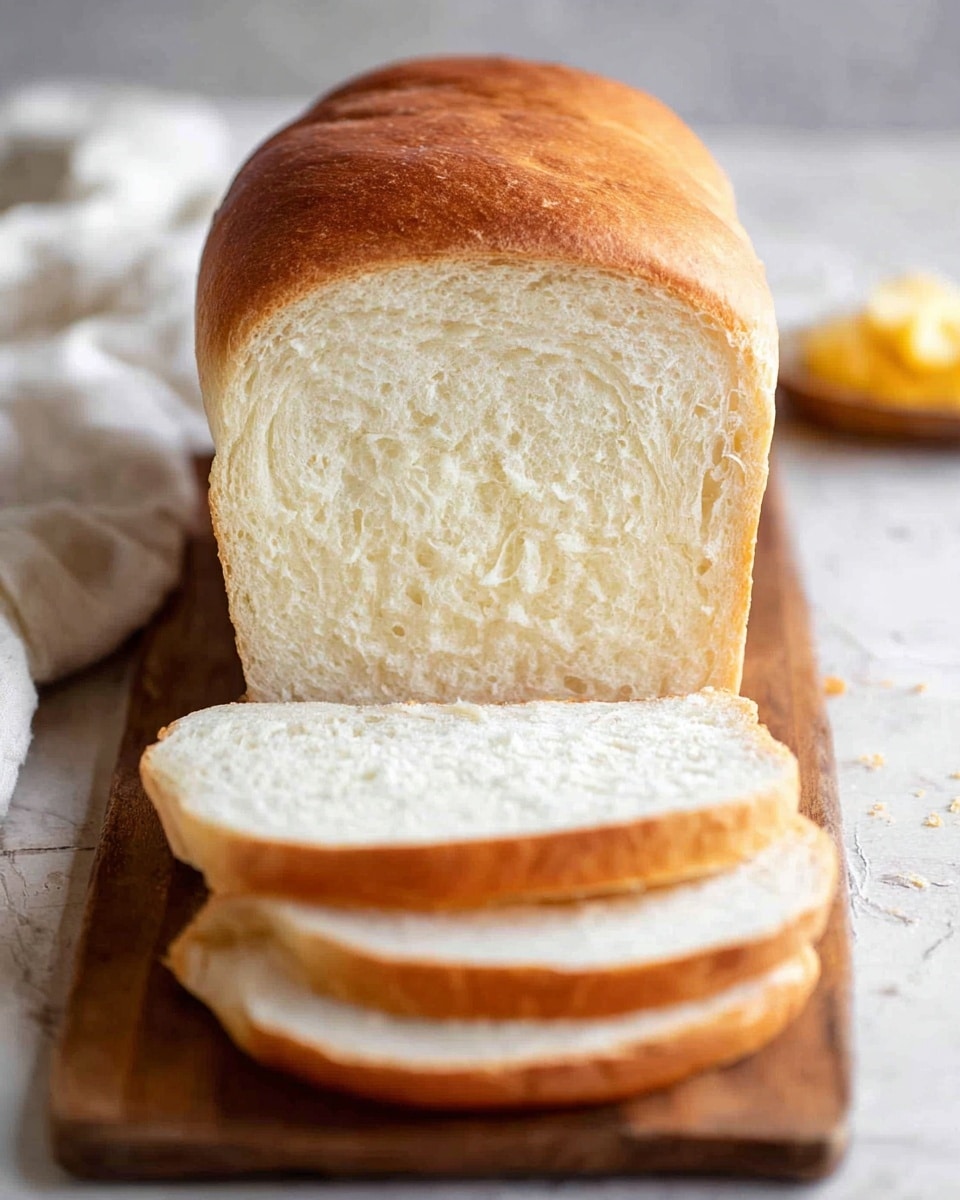
Homemade Bread Recipe
There’s something incredibly satisfying about baking your own bread at home, and this Homemade Bread Recipe is my go-to whenever I want that fresh, warm loaf filling the kitchen with the smell of comfort. Whether you’re new to baking or a seasoned pro, this recipe is straightforward and forgiving, making it perfect for almost any occasion—from a casual sandwich to a fancy meal accompaniment.
What makes this Homemade Bread Recipe stand out for me is the balance of flavors and textures, thanks to the honey’s subtle sweetness and the slight chewiness from the perfect dough consistency. Trust me, once you’ve tried baking your own bread and sliced into that golden crust with a soft, airy interior, you’ll never want to buy store-bought again!
Ingredients You’ll Need
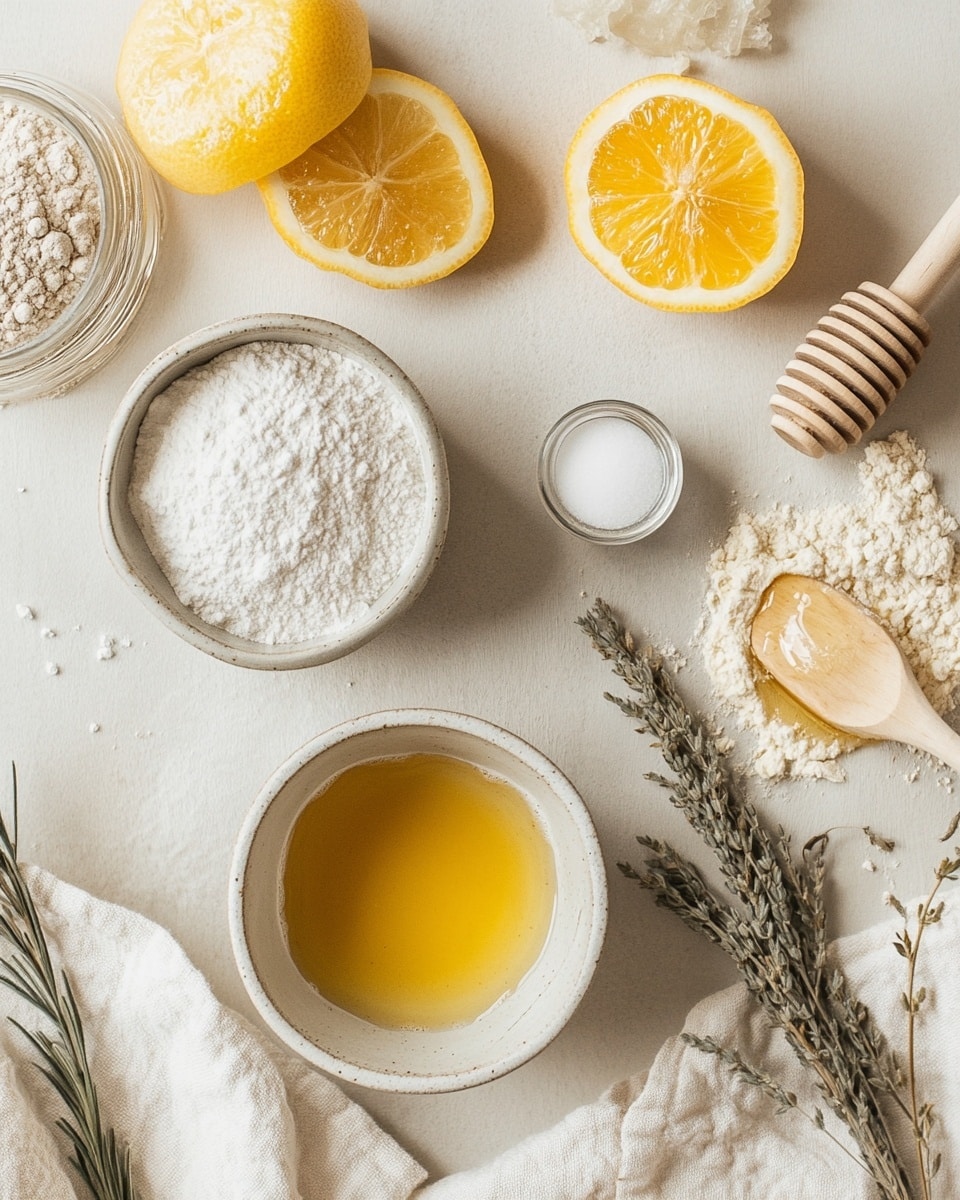
The ingredients in this Homemade Bread Recipe are pantry staples that come together beautifully to create a loaf with a tender crumb and crispy crust. Here’s a little tip: using warm water is crucial to activate the yeast properly, so keep an eye on the temperature!
- Warm water: Ideally between 105-115°F to activate your yeast without killing it.
- Active dry yeast: This is the magic ingredient that makes your bread rise — make sure your yeast is fresh for the best results.
- Honey or sugar: Provides the yeast with food to thrive on and adds a hint of sweetness; I personally love using honey for a touch of depth.
- Salt: Essential for flavor but also helps control yeast activity.
- Oil (canola or vegetable): Adds moisture and keeps your bread tender.
- All-purpose or bread flour: Bread flour will give you a chewier texture, while all-purpose flour works just fine if that’s what you have on hand.
Variations
I like to keep this Homemade Bread Recipe flexible—sometimes swapping ingredients or adding extras based on what I’m in the mood for or what’s in the kitchen. It’s really all about making the loaf your own!
- Whole wheat blend: Mixing half whole wheat flour adds nuttiness and more fiber. I tried this last fall and loved the hearty twist it gave the bread.
- Herbs and garlic: Adding fresh rosemary or minced garlic into the dough for a flavorful, aromatic loaf – perfect for dinner sides.
- Honey substitution: For a vegan option, use sugar instead of honey — just as tasty!
- Gluten-free tweak: While this recipe is designed for wheat flour, you can experiment with gluten-free blends but expect a different texture.
How to Make Homemade Bread Recipe
Step 1: Activate Your Yeast
Start by pouring the warm water into a large mixing bowl, then sprinkle in the active dry yeast and the honey or sugar. Give it a gentle stir, then let it sit for about 5-10 minutes until it’s frothy and bubbly on top. This means your yeast is alive and kicking — if it doesn’t foam, you might want to try with fresh yeast.
Step 2: Mix and Knead the Dough
Add the oil and salt to your yeast mixture, then start gradually mixing in the flour (start with 4 cups). Once the dough pulls together, turn it out onto a lightly floured surface and knead it for about 8-10 minutes. You’re aiming for a dough that’s smooth, elastic, and slightly tacky but not sticky. If it’s sticking too much, sprinkle on a little more flour as you go.
Step 3: First Rise
Place your dough in a lightly oiled bowl and cover it with a clean kitchen towel or plastic wrap. Find a warm, draft-free spot and let it rise until doubled in size — usually about 1 to 1.5 hours. I like to preheat my oven to the lowest temp and then turn it off, placing the bowl on top for a cozy rising nook.
Step 4: Shape and Second Rise
After the dough has doubled, punch it down gently to release air. Shape it into a loaf by folding the dough and tucking edges underneath. Place it into a greased loaf pan or onto a baking sheet for a free-form loaf. Cover it loosely again, and let it rise for another 30-45 minutes until puffy.
Step 5: Bake to Golden Perfection
Bake your bread at 375°F (190°C) for about 30-35 minutes. The crust should be a deep golden brown, and the loaf will sound hollow when tapped on the bottom—a classic sign it’s done. If you have a kitchen thermometer, internal temperature around 190°F confirms it’s fully baked.
How to Serve Homemade Bread Recipe
Garnishes
I often brush my hot loaf with a bit of melted butter right out of the oven—it gives an extra shiny, soft crust I love. For a fun touch, sprinkle some flaky sea salt or herbs like thyme on top before baking to elevate the flavor.
Side Dishes
This bread is incredibly versatile—pair it with soups like tomato basil or creamy potato leek, or use it as the base for a hearty sandwich with your favorite deli meats and cheeses. I’ve also enjoyed it alongside a homemade chili for a comforting meal.
Creative Ways to Present
For a dinner party, I like slicing the loaf into thick wedges and serving it in a rustic basket lined with a pretty tea towel. Another fun presentation is hollowing out the center for a bread bowl, perfect for dips or chunky soups—always a crowd-pleaser!
Make Ahead and Storage
Storing Leftovers
I store leftover bread wrapped in a kitchen towel and tucked into a bread box or paper bag to keep the crust crisp but prevent it from drying out too fast. Plastic wrap or airtight containers can make the crust soggy, so I usually avoid those.
Freezing
This Homemade Bread Recipe freezes beautifully. After the loaf cools completely, slice it and store in a freezer bag. That way you can pull out just what you need without thawing the entire loaf—super convenient when you want fresh bread on demand.
Reheating
To bring frozen or day-old bread back to life, I pop a slice into the toaster or warm it in a 350°F oven for about 10 minutes wrapped loosely in foil. This restores some of that fresh-from-the-oven softness and crustiness I love.
FAQs
-
Can I use instant yeast instead of active dry yeast in this Homemade Bread Recipe?
Yes, you can substitute instant yeast for active dry yeast, but I recommend reducing the amount slightly because instant yeast is more potent. Also, you don’t need to proof instant yeast in warm water—just mix it directly with the flour and other dry ingredients.
-
What if my dough doesn’t rise?
If your dough doesn’t rise, it could be because the yeast was expired or the water temperature was too hot or too cold. Make sure to use fresh yeast and check that the water is between 105-115°F. Also, give the dough enough time to rise in a warm place without drafts.
-
Can I make this bread without a stand mixer?
Absolutely! This Homemade Bread Recipe is easily made by hand. Just mix and knead on a floured surface, which I often do when I want to feel more connected to the dough. It’s therapeutic and rewarding, I promise.
-
How do I know when the bread is fully baked?
The best indicator is a deep golden crust and that hollow sound when you tap the bottom of the loaf. If you have a thermometer, an internal temperature of about 190°F means it’s perfectly baked inside.
Final Thoughts
Making this Homemade Bread Recipe has been one of my most satisfying kitchen adventures—you truly can’t beat that fresh-baked aroma and the taste of a loaf you made with your own hands. I hope you give it a try and find as much joy in it as I do. Remember, bread baking is as much about the process as the result, so don’t stress the small stuff and enjoy every step. Happy baking, friend!
Print
Homemade Bread Recipe
- Prep Time: 15 minutes
- Cook Time: 35 minutes
- Total Time: 2 hours 30 minutes
- Yield: 1 loaf (about 12 slices) 1x
- Category: Bread
- Method: Baking
- Cuisine: American
Description
This homemade bread recipe yields a soft, fluffy loaf with a golden crust, perfect for sandwiches or enjoying fresh with butter. Using simple pantry staples like yeast, flour, and honey, this bread comes together easily and is an excellent introduction to baking bread at home.
Ingredients
Wet Ingredients
- 2 cups warm water (105–115 degrees Fahrenheit) (474g)
- 1 tablespoon active dry yeast
- 1/4 cup honey or sugar (85g honey or 50g sugar)
- 2 tablespoons oil (canola or vegetable) (30 ml)
Dry Ingredients
- 2 teaspoons salt
- 4 to 5 1/2 cups all-purpose or bread flour (500g-688g)
Instructions
- Activate the yeast: In a large mixing bowl, combine the warm water with the active dry yeast and honey or sugar. Stir gently and let it sit for about 5-10 minutes until the mixture becomes frothy, indicating the yeast is active.
- Mix the dough: Add the salt, oil, and 4 cups of flour to the yeast mixture. Stir with a wooden spoon or dough hook attachment until the dough starts to come together. Gradually add additional flour, half a cup at a time, until the dough is soft but not sticky and holds its shape.
- Knead the dough: Turn the dough out onto a floured surface and knead for about 8-10 minutes until smooth and elastic. Alternatively, use a stand mixer with a dough hook on medium speed for 5-7 minutes.
- First rise: Place the dough in a greased bowl, cover it with a clean cloth or plastic wrap, and let it rise in a warm, draft-free place for about 1 to 1.5 hours, or until doubled in size.
- Shape the loaf: Punch down the risen dough to release excess air. Shape it into a loaf and place it into a greased 9×5 inch loaf pan or shape as desired on a baking sheet.
- Second rise: Cover the shaped dough and let it rise again for 30-45 minutes until it has puffed up noticeably.
- Bake: Preheat the oven to 375°F (190°C). Bake the bread for 30-35 minutes until the crust is golden brown and the loaf sounds hollow when tapped on the bottom.
- Cool: Remove the bread from the oven and cool on a wire rack before slicing to allow the crumb to set properly.
Notes
- Ensure water temperature is between 105-115°F to activate yeast without killing it.
- Honey can be substituted with sugar, but will affect the flavor slightly.
- Adjust flour quantity based on humidity and flour type; dough should be soft but manageable.
- For a crispier crust, place a small pan of water in the oven to create steam.
- Store leftover bread in an airtight container or freeze to maintain freshness.
Keywords: homemade bread, easy bread recipe, yeast bread, homemade loaf, baking bread