Guyanese Pepperpot Recipe
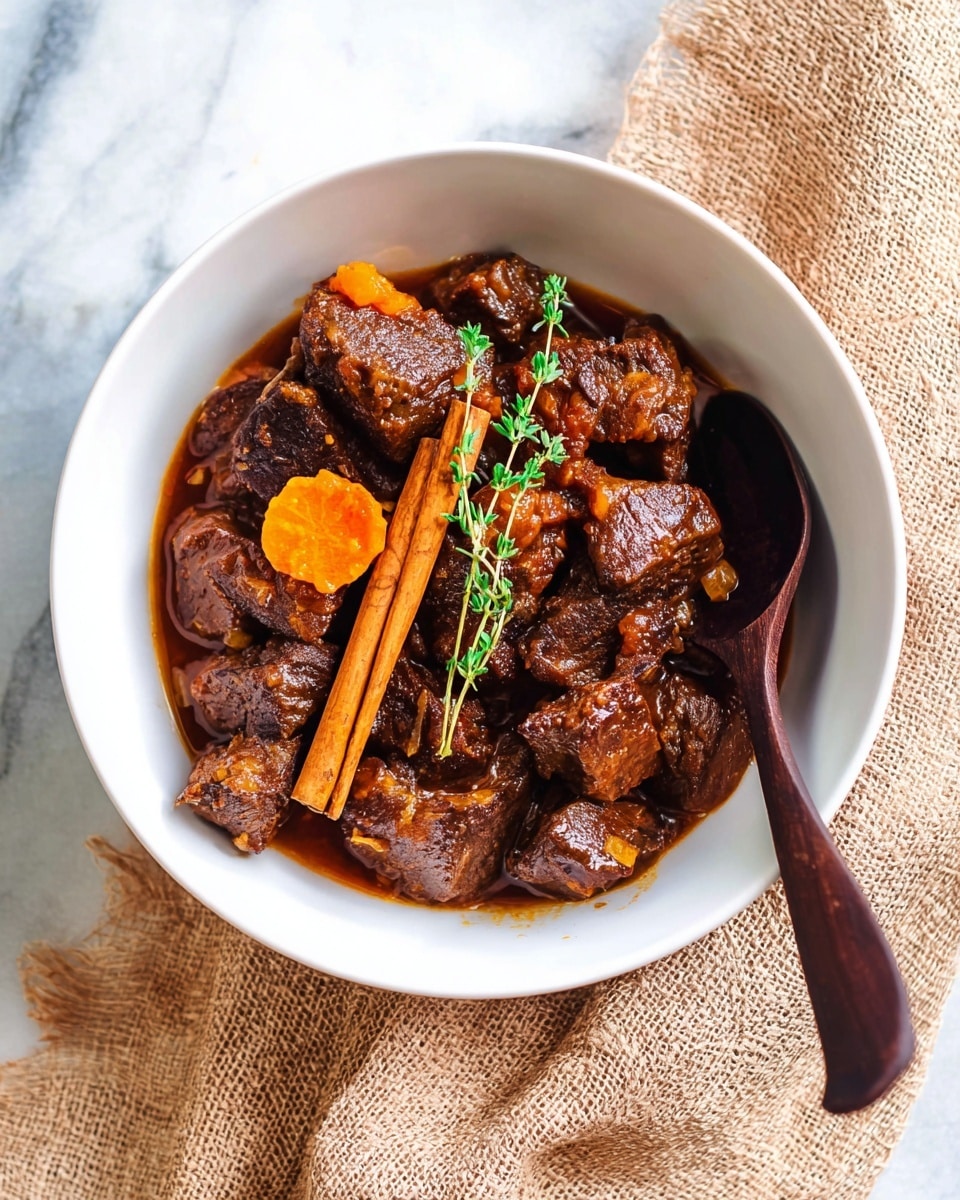
If you’ve never tried a Guyanese Pepperpot Recipe before, you’re in for such a treat. This dish is rich, deeply flavorful, and absolutely unique with its blend of spices, cassareep, and a slow-simmered mix of tender meats. It’s the kind of comfort food that feels steeped in tradition and perfect for sharing around the table, especially on a cool evening or special holiday gathering.
I first fell in love with this recipe when a friend invited me over for dinner, and since then, I’ve loved making it for family because it creates such a cozy, hearty meal. The secret lies in those aromatic spices and the cassareep, which gives Pepperpot its signature slightly smoky, sweet, and peppery kick. Stick with me and I’ll walk you through how to nail this classic without feeling overwhelmed.
Ingredients You’ll Need
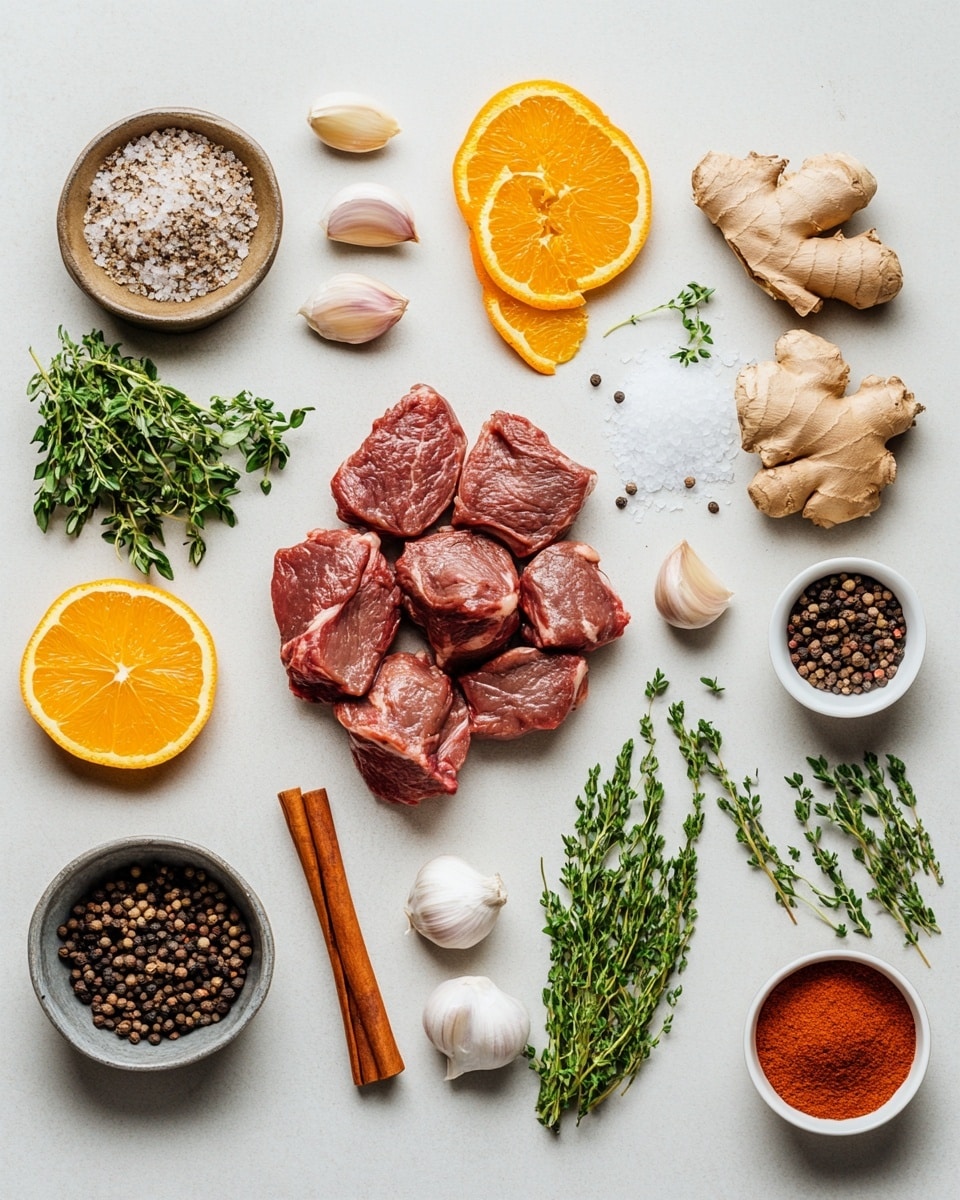
The magic of the Guyanese Pepperpot Recipe really comes from a well-balanced combination of meats, spices, and that special cassareep – a thick sauce made from cassava root. Each ingredient plays a part in layering the flavor and creating the dish’s irresistible depth.
- Cow foot: Provides gelatinous richness, giving the broth a silky texture—go for fresh or frozen; just clean it well.
- Kosher salt: Essential for seasoning all stages of cooking and balancing flavors.
- Chicken bouillon: Adds umami depth; use a good-quality one for best results.
- Cassareep: The star ingredient; it’s the thick syrup from cassava and brings that signature taste and color.
- Fresh thyme: Offers herbal notes that brighten the stew’s heaviness.
- Whole cloves: Adds a warm, slightly sweet background spice without overpowering.
- Cinnamon sticks: Another subtle warm spice enhancing the stew’s complexity.
- Oxtail: Perfect for rich, tender meat with plenty of collagen.
- Bone-in beef chuck: Provides hearty beef flavor; bones add extra richness.
- Garlic: Minced finely to build aromatic layers early.
- Fresh wiri wiri peppers: These little peppers pack a punch—adjust to your heat tolerance or substitute with habaneros.
- Light brown sugar: Balances the savory spices and cassareep’s slight bitterness with sweetness.
- Fresh ginger: Grated; adds zing and freshness to the otherwise rich stew.
- Nutmeg: Just a touch to warm up the flavor profile quietly.
- Orange peel (pith removed): Adds subtle citrus brightness and complexity.
Variations
I love to tweak this Guyanese Pepperpot Recipe depending on what I have on hand and who I’m cooking for. It’s such a flexible dish that you can easily customize to fit your tastes or dietary needs.
- Variation: When I want to add more smoky depth, I throw in a few smoked ham hocks. It adds an amazing layer without stealing the spotlight from the cassareep.
- Dietary twist: For a leaner version, reduce the amount of oxtail and chuck or swap in beef shank to lighten it up but keep rich flavor.
- Heat adjustment: If you’re not into spicy, I dial back the wiri wiri peppers and add a little sweet bell pepper for balance.
- Vegetable add-in: Sometimes I stir in diced pumpkin or yam near the end—this adds comforting sweetness and body.
How to Make Guyanese Pepperpot Recipe
Step 1: Prepare the Meats and Broth
Start by rinsing your cow foot pieces thoroughly to remove any impurities—this step is key for a clean broth. Place the cow foot in a large pot with enough water to cover and bring it to a boil. Skim off any scum that forms on the surface, then reduce heat to a simmer. Add half the kosher salt, some thyme, cinnamon sticks, cloves, and a portion of the cassareep. Let this simmer gently for about 2-3 hours—the long cook time turns the cow foot tender and infuses the broth with flavor and gelatin, creating that luscious texture you want.
Step 2: Add the Beef and Aromatics
Once the cow foot is starting to get tender, add your oxtail and beef chuck pieces along with the remaining salt, bouillon, thyme, cloves, cinnamon, garlic, grated ginger, nutmeg, orange peel, and the rest of the cassareep. Stir in the brown sugar as well to balance the flavors. Toss in the wiri wiri peppers whole—you can poke them if you like extra heat. Simmer everything gently on low heat for another 2 hours, occasionally skimming off any fat that rises to the top. The key here is patience; slow cooking melds the deep flavors and softens the meat beautifully.
Step 3: Final Seasoning and Resting
After the long simmer, taste your pepperpot and adjust the seasoning if needed—sometimes it benefits from a pinch more salt or sugar depending on your cassareep’s flavor. Let the stew rest off heat for at least an hour before serving to let the flavors marry even more. Some people swear by making it a day ahead; honestly, this dish only gets better as it sits!
How to Serve Guyanese Pepperpot Recipe
Garnishes
I like to keep garnishes simple for this hearty stew—fresh thyme sprigs are perfect for a pop of green and aroma. Sometimes I squeeze a little fresh lime juice on top to brighten each bite, especially if the pepperpot has been resting overnight. A few thinly sliced green onions also add a nice fresh crunch if you’re feeling fancy.
Side Dishes
You can’t go wrong serving Guyanese Pepperpot Recipe with traditional Guyanese bread, which is slightly sweet and perfect for soaking up the stew’s rich sauce. Rice is a classic base too—white or coconut rice works beautifully. If you want to add some veggies, steamed callaloo or collard greens bring lovely color and a mild bitterness to balance the stew’s richness.
Creative Ways to Present
For special occasions, I like to present Pepperpot in a rustic clay pot to keep it warm at the table; it gives a nice earthy vibe and keeps the stew bubbling gently. Ladling it into individual bowls with a side of fresh bread arranged on a wooden board invites everyone to dig in family-style. Adding small bowls of extra wiri wiri peppers on the side lets guests customize their heat level.
Make Ahead and Storage
Storing Leftovers
I always cool leftover Guyanese Pepperpot Recipe completely and store it in airtight containers in the refrigerator. Because of the cassareep’s natural preservative qualities, it actually keeps really well—up to 4-5 days. The flavors deepen here, so leftovers can taste even better than the first day.
Freezing
Freezing works great for this recipe if you want to make it ahead in large batches. I portion it into freezer-safe containers and thaw overnight in the fridge before reheating. Just remember that the cassareep will slightly thicken when frozen, so you might want to add a splash of water or stock when reheating to loosen it up.
Reheating
To reheat, gently warm the Pepperpot on the stove over low to medium heat, stirring occasionally so it heats evenly without sticking or burning. If the sauce feels too thick, add a bit of water or beef broth to get it back to a lovely stew consistency. I avoid microwaving because the flavors are better preserved with slow, gentle reheating.
FAQs
-
What is cassareep and where can I find it?
Cassareep is a thick, dark syrup made from the juice of the cassava root, boiled down with spices. It’s essential for authentic Guyanese Pepperpot Recipe to add depth, color, and a slight smoky sweetness. You can find it at Caribbean grocery stores or online specialty food shops.
-
Can I make Pepperpot without cow foot?
While cow foot provides a unique texture and richness due to its collagen, you can make a version of Pepperpot without it using just oxtail, beef chuck, and other cuts, though the broth won’t be quite as gelatinous. Just simmer longer and include bones to build richness.
-
How spicy is Guyanese Pepperpot?
The heat level depends mostly on the amount of wiri wiri peppers used. Traditional recipes can be quite spicy, so adjust the peppers according to your preference or swap with milder chili peppers if you want less heat.
-
Can I prepare Guyanese Pepperpot recipe ahead of time?
Definitely! In fact, Pepperpot tastes even better the next day because the flavors have had more time to meld. You can prepare it a day or two in advance, store it in the fridge, and reheat gently before serving.
Final Thoughts
This Guyanese Pepperpot Recipe holds a special place in my kitchen because it reminds me of those warm gatherings and the joy of sharing food steeped in culture and history. It might seem intimidating at first with all the ingredients and long simmer, but trust me—it’s worth every minute and really simple once you get the hang of it. Next time you want a meal that’s hearty, unique, and bursting with flavor, give this recipe a try. You’ll be glad you did, and your guests will be asking for seconds!
Print
Guyanese Pepperpot Recipe
- Prep Time: 30 minutes
- Cook Time: 4 hours
- Total Time: 4 hours 30 minutes
- Yield: 6 servings 1x
- Category: Main Course
- Method: Slow Cooking
- Cuisine: Caribbean, Guyanese
Description
Guyanese Pepperpot is a traditional slow-cooked stew known for its rich, deeply spiced flavor and tender meat. This recipe features a blend of beef cuts slow simmered with cassareep, a unique bitter-sweet sauce made from cassava root, along with fragrant spices such as cinnamon, cloves, and fresh thyme. The dish is fiery with wiri wiri peppers and layered with garlic, ginger, nutmeg, and a touch of brown sugar for balanced sweetness. Perfect for special occasions or comforting family meals, this iconic Caribbean stew offers a bold and hearty experience.
Ingredients
Meat
- 2 pounds (900g) cow foot, cut into roughly 1- by 2-inch pieces
- 1 pound (450g) oxtail with separated joints
- 1 pound (450g) bone-in beef chuck, cut into roughly 2-inch pieces
Spices & Herbs
- 21 sprigs fresh thyme, divided
- 24 whole cloves, divided
- 3 cinnamon sticks (about 3 inches each), divided
- 4 fresh wiri wiri peppers
- 1/2 of a whole nutmeg (2g), grated
- One 1-inch strip orange peel, trimmed of excess white pith
Other Ingredients
- 2 teaspoons (8g) kosher salt, divided
- 2 1/2 teaspoons chicken bouillon, divided
- 1 1/4 cups (420ml) cassareep, divided
- 6 medium cloves garlic (about 25g), finely minced
- 2 tablespoons (24g) light brown sugar
- One 2 1/2–inch knob fresh ginger (about 30g), peeled and grated
Instructions
- Prepare the Meat: Begin by cutting the cow foot into roughly 1- by 2-inch pieces, ensuring the oxtail joints are separated, and chopping the bone-in beef chuck into approximately 2-inch pieces. This preparation will allow the meats to cook evenly and absorb flavors thoroughly.
- Season the Meat: Generously season the cow foot, oxtail, and beef chuck with one teaspoon of kosher salt and 1 1/4 teaspoons of chicken bouillon. Let the meat rest briefly to absorb the seasoning.
- Brown the Meat (Optional): Although not stated explicitly, lightly browning the meat in a heavy pot over medium heat can enhance flavor. This step is optional but recommended for depth.
- Add Spices and Aromatics: Add half of the fresh thyme sprigs, half the whole cloves, and one cinnamon stick to the pot along with the minced garlic, grated fresh ginger, freshly grated nutmeg, orange peel strip, and wiri wiri peppers. Stir to combine. Include the light brown sugar and half of the cassareep to start building the sauce’s depth.
- Add Liquids and Simmer: Pour enough water to cover the meat by at least an inch. Bring the mixture to a boil, then reduce to a very low simmer. Add the remaining salt, chicken bouillon, cassareep, thyme, cloves, and cinnamon sticks in stages as the stew cooks. This layering of flavors ensures a complex, rich broth.
- Slow Cook the Stew: Allow the stew to simmer gently for at least 3 to 4 hours, preferably longer, to tenderize the tough cuts of meat and meld the robust flavors together. The long simmer will also thicken the sauce as the cassareep reduces.
- Final Seasoning and Serving: Before serving, taste and adjust seasoning if necessary. Remove any large spice stems and orange peel. Guyanese Pepperpot is traditionally served hot with dense bread to soak up its richly spiced gravy.
Notes
- Cow foot imparts gelatinous richness to the stew, making it traditionally authentic.
- The wiri wiri pepper is very hot; adjust quantity based on your spice preference.
- Cassareep is a key ingredient unique to this dish, available in Caribbean markets or online.
- This stew tastes even better the next day after flavors have fully melded.
- Slow cooking is essential to tenderize tough cuts and fully develop the deep flavor profile.
Keywords: Guyanese Pepperpot, Caribbean stew, cassareep recipe, slow cooked beef stew, traditional Guyanese food