Easy Chocolate Easter Cake with Mini Eggs and Creme Eggs Recipe
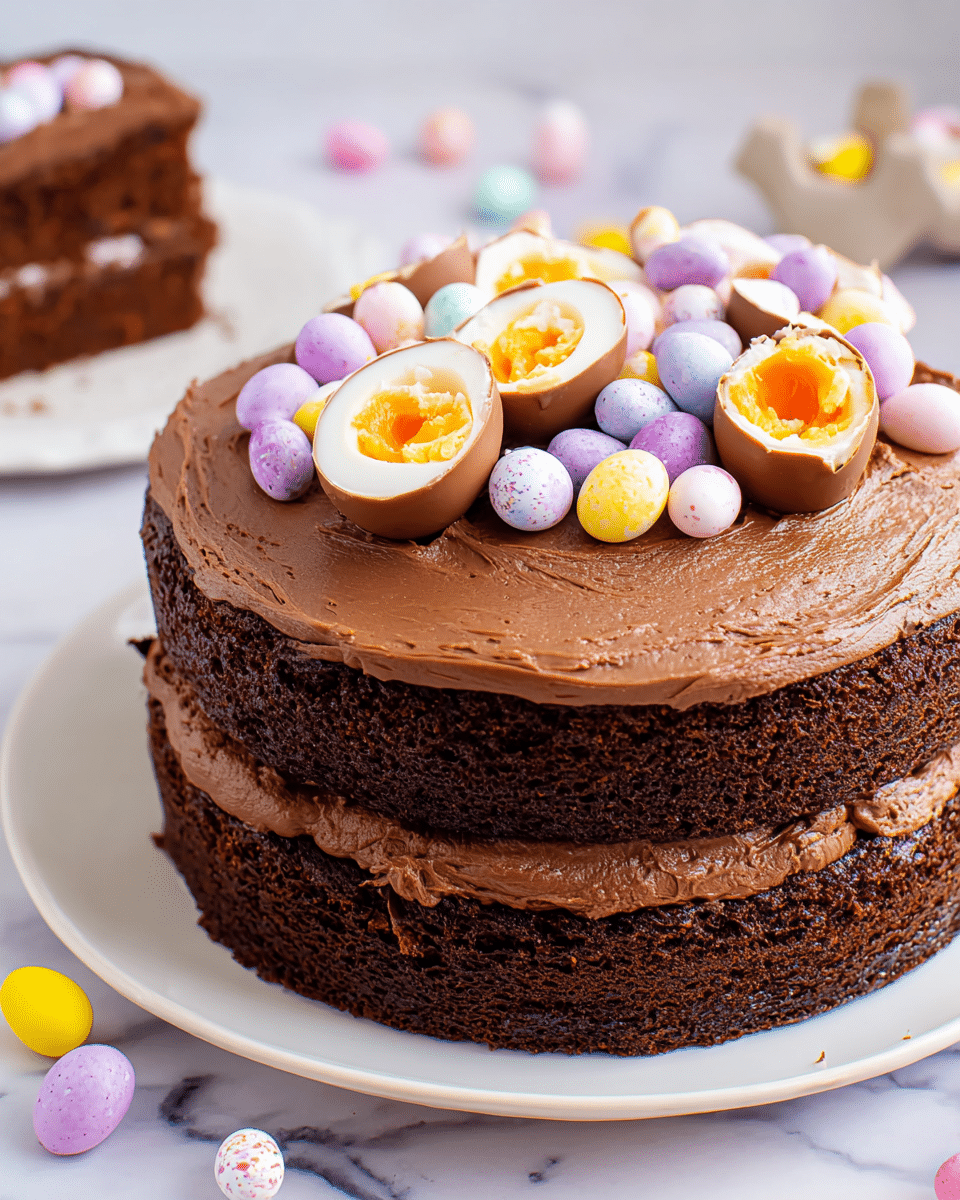
If you’re on the hunt for a festive treat that’s both simple and show-stopping, this Easy Chocolate Easter Cake with Mini Eggs and Creme Eggs Recipe is exactly what you need. I’ve made it countless times for Easter gatherings, and it never fails to bring smiles around the table. The rich chocolate sponge paired with that creamy cocoa buttercream is simply irresistible—and adding those colorful mini eggs and creme eggs on top takes it from everyday cake to seasonal celebration.
What I love most about this Easy Chocolate Easter Cake with Mini Eggs and Creme Eggs Recipe is how approachable it is. Whether you’re baking with kids or just want a quick-and-easy dessert that looks amazing, this recipe fits the bill. Plus, it’s perfect for those last-minute Easter plans because it comes together with ingredients you probably already have handy. Let me walk you through everything you need and a few tips I’ve learned along the way.
Ingredients You’ll Need
This recipe blends simple pantry staples with familiar Easter candy to create a cake that’s moist and rich but still super fun to decorate. Each ingredient plays a role in building that perfect chocolaty flavor and texture you’ll want to savor slice after slice.
- Butter or margarine: Softened is key here to ensure your batter mixes smoothly and your buttercream whips up creamy.
- Caster sugar: Fine sugar helps create that light, fluffy texture in the cake sponge.
- Large eggs: They help bind the batter and make the cake rise beautifully—fresh is best!
- Self-raising flour: This keeps things simple by combining flour and raising agents so you don’t have to measure baking soda separately.
- Baking powder: Added for an extra lift to keep the cake tender and light.
- Cocoa powder: Use a good-quality, unsweetened variety for deep chocolate flavor. Sieving it avoids any lumps in the buttercream.
- Milk: Just a bit to loosen the batter and keep it moist.
- Icing sugar (confectioner’s sugar): Sifted to keep the buttercream silky smooth and lump-free.
- Cadbury’s Mini Eggs: They add crunch and vibrant color—perfect for Easter!
- Cadbury’s Creme Eggs: I love using a mix of large and mini creme eggs for a playful, gooey decoration on top.
Variations
Feel free to make this recipe your own—I’ve played around with a few variations over time. It’s all about what you enjoy and how you want to celebrate Easter with your loved ones.
- Gluten-Free Version: I’ve swapped self-raising flour for a gluten-free blend with great results, just watch the texture as it may be a little more delicate.
- Nut-Free Option: This recipe is naturally nut-free, so it’s a safe bet for parties with allergy concerns.
- Alternative Decorations: While I adore the mini eggs and creme eggs, sometimes I top the cake with fresh strawberries or edible flowers for a spring twist.
- Darker Chocolate Flavor: For a richer cake, I sometimes increase the cocoa powder slightly and add a hint of espresso powder to deepen the chocolate taste.
How to Make Easy Chocolate Easter Cake with Mini Eggs and Creme Eggs Recipe
Step 1: Get Your Pans Ready and Preheat the Oven
First things first: set your oven to 180°C (that’s 160°C fan or gas mark 4) so it’s perfectly heated when you’re ready. Grease two 7-inch (18 cm) round cake tins with butter or margarine. To avoid any sticking, cut out circles of baking paper to line the bottom of each tin and grease those as well. You don’t need to line the sides—just the base will do. This little trick makes turning the cakes out super easy, and nothing worse than a cake stuck to the tin!
Step 2: Cream Butter and Sugar
Beat your softened butter and caster sugar together until the mixture looks pale and fluffy. I usually use an electric hand whisk—it speeds things up—but a sturdy wooden spoon works just fine if you prefer to keep things traditional. This step is crucial because creaming incorporates air, which leads to a light cake.
Step 3: Beat in Eggs Carefully
Add your eggs one at a time, beating well after each addition to fully combine before adding the next. This helps stop the batter from curdling and keeps the texture smooth. If your mixture looks like it’s splitting, don’t worry—just add a spoonful of flour to bring it back together.
Step 4: Fold in Flour, Cocoa, and Milk
Gently fold in half your self-raising flour first—this way you don’t overmix and keep the cake tender. Mix your baking powder and cocoa powder into the remaining flour, then add it in. Finally, stir in the milk to loosen the batter for a perfect consistency that’s easy to spread.
Step 5: Bake the Cake Layers
Divide your batter evenly between the two prepared tins, smoothing the surface with a spoon or spatula. Bake for 20-25 minutes until the cakes start pulling away at the sides and a skewer inserted in the center comes out clean. Let them cool in the tins for 10 minutes, then carefully transfer to a wire rack to cool completely—patience here really pays off for the decorating stage!
Step 6: Prepare the Cocoa Buttercream
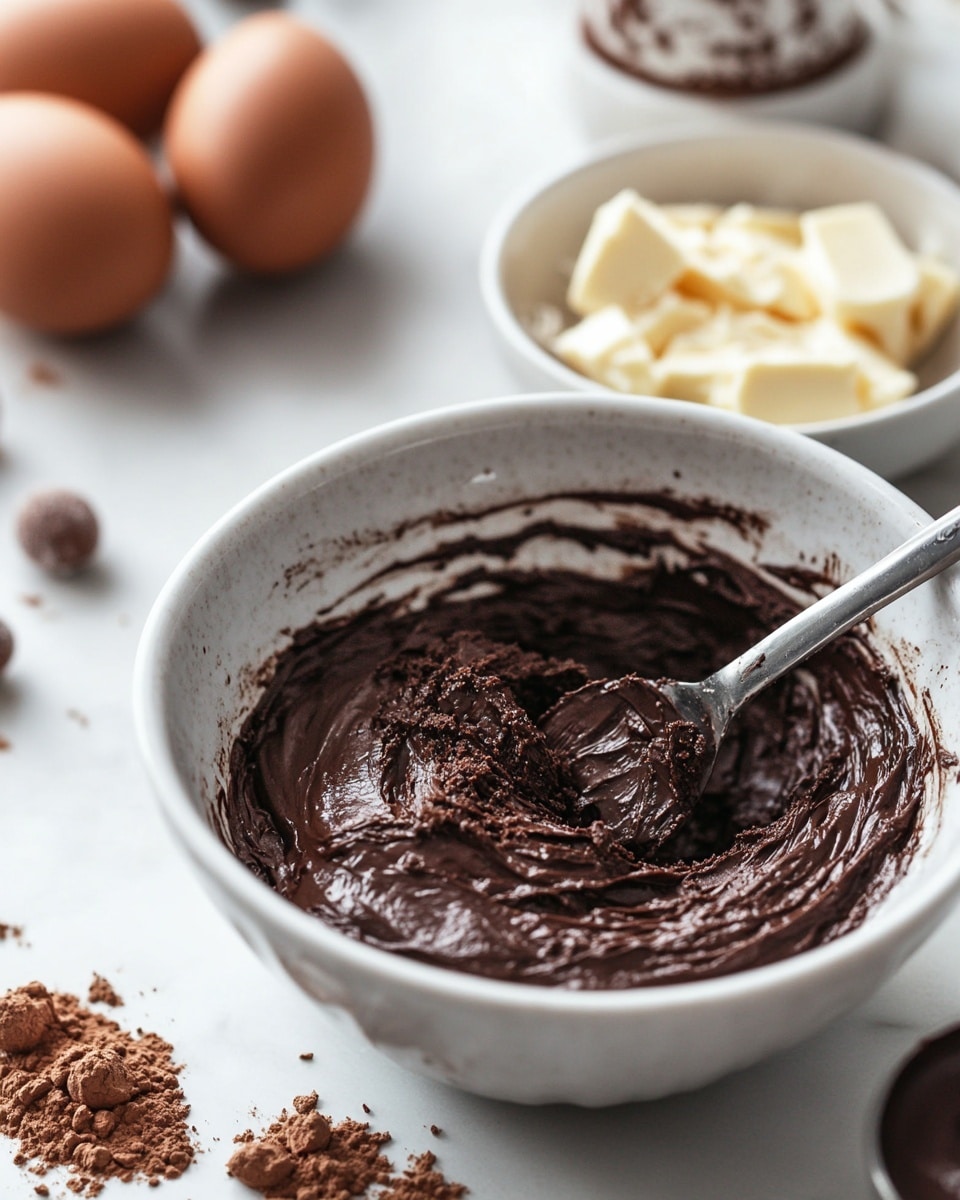
While the cake cools, mix your softened butter with the sieved icing sugar and cocoa powder. I usually sift the icing sugar twice to dodge any lumps—trust me, lump-free buttercream feels so much nicer. You can beat this by hand or with an electric mixer until it’s silky and spreadable.
Step 7: Assemble and Decorate
Choose the flattest cake layer and, if needed, trim off any domed tops to create an even surface—don’t feel guilty, those offcuts are perfect for a sneaky taste test. Spread half the buttercream evenly on this layer, then top with the second cake layer. Cover the entire top with the remaining buttercream. Now for the fun part: decorate with Cadbury’s Mini Eggs and Creme Eggs—or get creative with your favorite Easter treats!
How to Serve Easy Chocolate Easter Cake with Mini Eggs and Creme Eggs Recipe
Garnishes
I’m a sucker for a classic finish, so I pile on mini eggs and smash some creme eggs slightly to reveal that gooey center—it’s a guaranteed crowd pleaser. Sometimes I add a sprinkle of edible glitter or a few pastel sprinkles for that extra festive touch that kids and adults both adore.
Side Dishes
This cake shines as the star dessert, but if you want to round out an Easter meal, I love pairing it with fresh whipped cream or vanilla ice cream. A handful of fresh berries on the side adds a subtle tartness that complements the rich chocolate beautifully.
Creative Ways to Present
For a special touch, I once made mini versions of this cake in cupcake tins and topped each with a mini creme egg and little paper flags—it was such a hit at a kids’ Easter party! Another time, I baked one large cake and shaped the top like an Easter egg for a fun, themed centerpiece. Remember, presentation is half the fun!
Make Ahead and Storage
Storing Leftovers
Once decorated, I store the cake in an airtight container on the kitchen counter if it’ll be eaten within 24 hours. After that, I pop it in the fridge to keep it fresh. Just remember to bring it back to room temperature before serving so the buttercream isn’t too firm.
Freezing
If I plan ahead, I bake the cakes in advance, wrap them tightly in cling film, and freeze them before assembling. When ready to serve, I thaw them overnight in the fridge, then decorate fresh so that the colors and textures stay vibrant.
Reheating
This cake is best enjoyed at room temperature, so I don’t recommend microwaving. If you want to revive a day-old slice, simply leave it out for 30 minutes before serving. The buttercream softens up nicely, and that chocolate flavor really comes through.
FAQs
-
Can I use regular flour instead of self-raising in this recipe?
You can, but you’ll need to add baking powder to help the cake rise. For every 225g of plain flour, add approximately 2 teaspoons of baking powder. This recipe already includes baking powder along with self-raising flour, but swapping to plain flour means adjusting the amount accordingly.
-
How do I prevent my buttercream from being lumpy?
The key is to sieve both the icing sugar and cocoa powder before mixing with the butter. Sifting removes clumps and ensures a smooth, silky buttercream. Also, make sure your butter is softened to room temperature for easy mixing.
-
Can I substitute the Mini Eggs and Creme Eggs with other candies?
Absolutely! Feel free to use any Easter-themed candies or even fresh fruit for decoration. The great thing about this Easy Chocolate Easter Cake with Mini Eggs and Creme Eggs Recipe is its flexibility to suit your tastes and what you have on hand.
-
How do I know when the cake layers are fully baked?
The cakes should start pulling away slightly from the sides of the tins, and when you insert a skewer or clean knife into the center, it should come out clean or with just a few moist crumbs. If wet batter sticks to it, pop the cakes back in for a few more minutes.
-
Can I make this cake in advance?
Definitely! You can bake the cake layers a day ahead and store them wrapped in cling film. Assemble and decorate the day you want to serve to keep the buttercream fresh and the decoration looking its best.
Final Thoughts
This Easy Chocolate Easter Cake with Mini Eggs and Creme Eggs Recipe has become my go-to for festive celebrations because it combines simplicity with that wow factor. It’s the kind of recipe that welcomes you into the kitchen without fuss but delivers a delicious treat everyone will ask for again. Trust me, once you try it, this cake will earn a regular spot on your Easter table—and I’m betting your friends and family will thank you too!
Print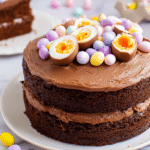
Easy Chocolate Easter Cake with Mini Eggs and Creme Eggs Recipe
- Prep Time: 20 minutes
- Cook Time: 20-25 minutes
- Total Time: 40-45 minutes
- Yield: 12 servings 1x
- Category: Dessert
- Method: Baking
- Cuisine: British
Description
This Easy Chocolate Easter Cake is a delightful and festive treat perfect for celebrating the holiday. The recipe features a rich, moist chocolate sponge layered and coated with smooth cocoa buttercream and topped with colorful Cadbury’s Mini Eggs and Creme Eggs for a fun and indulgent decoration. Ideal for sharing at Easter gatherings, this cake combines simple ingredients with straightforward baking techniques to create a show-stopping dessert that is both delicious and visually appealing.
Ingredients
Cake:
- 225 g butter or margarine, softened
- 225 g caster sugar
- 4 large eggs
- 225 g self-raising flour
- 1 teaspoon baking powder
- 50 g cocoa powder
- 4 tablespoons milk
Buttercream:
- 200 g butter or margarine, softened
- 400 g icing (confectioner’s) sugar, sieved
- 50 g cocoa powder, sieved
Decoration:
- 100 g Cadbury’s Mini Eggs
- 2 large Cadbury’s Creme Eggs
- 3 mini Cadbury’s Creme Eggs
- Or any other decoration you like!
Instructions
- Preheat and Prepare Pans: Preheat your oven to 180C / 160C fan / gas mark 4 / 350F. Grease two 7-inch (18cm) round cake tins with butter or margarine. Place a circle of baking paper on the bottom of each tin and grease the paper. No need to fully line the tins.
- Beat Butter and Sugar: Using an electric mixer or by hand, beat the softened butter and caster sugar together until the mixture is light and fluffy, which helps to incorporate air for a lighter cake texture.
- Add Eggs: Add one egg at a time into the butter-sugar mixture, beating well after each addition until fully combined and smooth.
- Add Half the Flour: Gently fold in half of the self-raising flour using a spatula or spoon to maintain the airiness of the batter.
- Add Baking Powder and Cocoa: Stir in the baking powder and cocoa powder thoroughly to distribute them evenly throughout the batter.
- Add Remaining Flour: Fold in the remaining flour gently, taking care not to overmix.
- Add Milk: Stir in 4 tablespoons of milk to loosen the batter slightly and achieve the right consistency for spreading.
- Divide and Spread Batter: Pour half of the batter into each prepared cake tin, spreading it evenly and leveling the surface with a spoon or spatula.
- Bake Cakes: Bake in the preheated oven for 20-25 minutes. The cakes are done when they pull away slightly from the sides of the tins and a skewer inserted into the center comes out clean.
- Cool Cakes: Remove cakes from the oven and let them cool in their tins for 10 minutes or until cool enough to handle, then turn them out onto a cooling rack or grill rack. Leave to cool completely for about 1 hour before decorating.
- Prepare Buttercream: Mix the softened butter, sieved icing sugar, and sieved cocoa powder together until smooth and creamy. You can do this by hand or using an electric mixer.
- Level Cake: Assess which cooled cake layer is the flattest and trim the top to create an even surface for layering.
- Assemble Cake: Spread half of the buttercream evenly over the flat cake top. Place the second cake on top, then cover the entire top cake with the remaining buttercream.
- Decorate: Decorate the cake with Cadbury’s Mini Eggs, large and mini Creme Eggs, or any other decorations of your choice to create a festive and colorful Easter cake.
Notes
- Note 1: Using butter or margarine for both the cake and buttercream impacts flavor and texture; use softened for easier mixing.
- Note 2: Beating the butter and sugar until light and fluffy is essential to achieving a soft and airy cake texture.
- Ensure the icing sugar and cocoa powder for the buttercream are sieved to avoid lumps for a smooth frosting.
- Allow cakes to cool completely before decorating to prevent the buttercream from melting.
- Trimming the top of one cake layer to make it flat ensures a stable and even layered cake.
Keywords: Chocolate Easter Cake, Chocolate Cake, Easter Dessert, Buttercream Cake, Cadbury Mini Eggs Cake, Easy Cake Recipe, Festive Cake