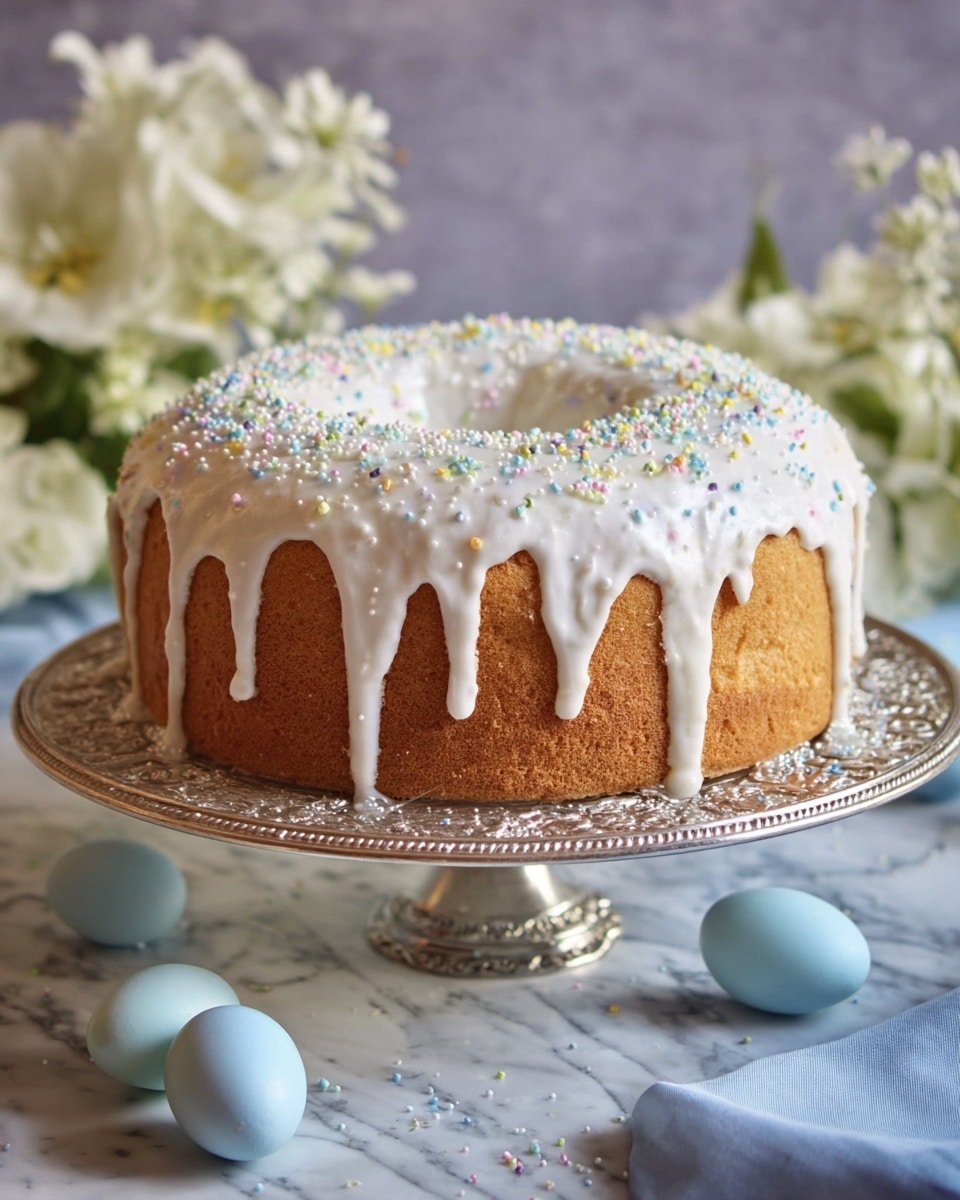
Easter Cake with Lemon Icing and Sprinkles Recipe
I’m so excited to share this Easter Cake with Lemon Icing and Sprinkles Recipe with you! It’s the kind of cake that brightens up your kitchen with its zesty lemon notes and looks downright festive with those colorful sprinkles. What I love most is how light and airy the cake turns out, making it a perfect centerpiece for your Easter celebrations or any spring gathering.
When I first tried this recipe, I was amazed at how simple it is to make, yet it feels special enough to wow your guests. The combination of warm lemon icing and a slightly sweet, tender crumb is just irresistible. Plus, the sprinkles add that playful pop of color that always brings a smile and makes this cake feel delightfully homemade.
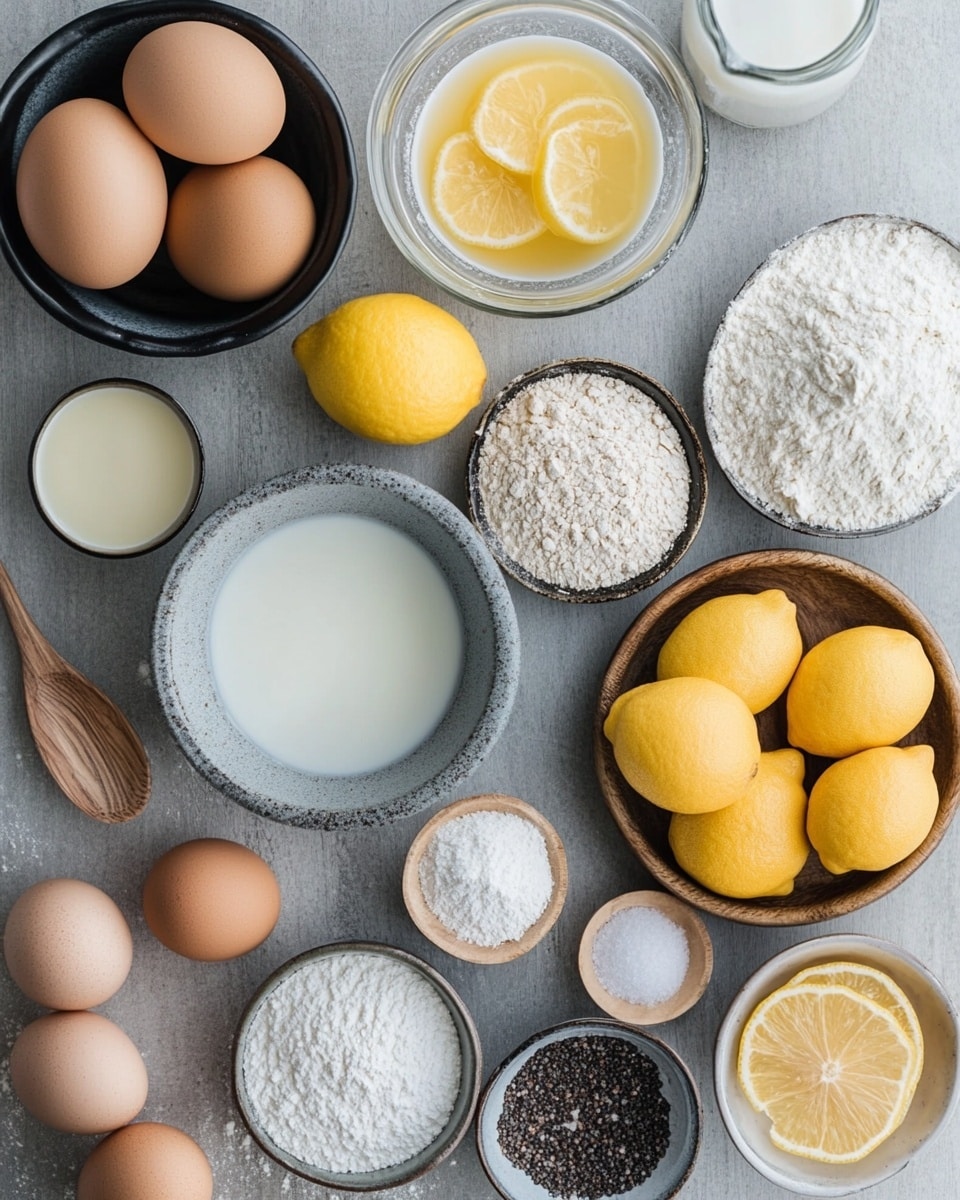
Ingredients You’ll Need
Gathering the right ingredients is half the fun for this Easter Cake with Lemon Icing and Sprinkles Recipe. The mix of warm milk, eggs, and olive oil creates a moist texture, while the anisette adds a subtle, lovely aroma that complements the lemon beautifully. Plus, a little active dry yeast gives the cake a wonderful rise that feels more like bread but so sweet and tender.
- Milk (warm): Helps activate the yeast and keeps the dough soft—make sure it’s not too hot or you’ll kill the yeast!
- Eggs (beaten): Adds richness and structure.
- Light olive oil: Keeps the cake tender without overpowering flavors.
- Anisette (or Sambuca, or other liqueur): Gives a subtle aromatic twist that pairs perfectly with lemon.
- Grated lemon rind: Absolutely essential for that fresh citrus zing.
- Sugar: Sweetens the dough beautifully.
- All-purpose flour: You’ll start with 6 cups and may need a bit more; this keeps the dough just right—soft and slightly sticky.
- Salt: Just a pinch to balance the flavors.
- Active dry yeast: Makes the dough rise and become delightfully fluffy.
- Confectioner’s sugar (powdered sugar): For that smooth, sweet lemon icing.
- Lemon juice (and/or water): Added to the icing for a fresh citrus punch and perfect consistency.
- Edible sprinkles: The fun, festive topping that brings this cake to life.
Variations
One of the best parts about this Easter Cake with Lemon Icing and Sprinkles Recipe is how adaptable it is. Over time, I’ve enjoyed tweaking it to suit different tastes or dietary needs—don’t be afraid to make it your own!
- Variation: I sometimes swap out anisette for orange liqueur or even a splash of vanilla extract, which gives a slightly different, but equally delicious flavor profile.
- Gluten-free option: I’ve experimented with a gluten-free blend instead of all-purpose flour, but you may need to add an extra egg or more liquid to keep that lovely soft texture.
- Extra zing: Adding a teaspoon of lemon extract alongside the rind amps up the citrus without being overpowering.
- Sprinkle alternatives: For a more natural look, try using chopped pistachios or edible flowers instead of colorful sprinkles.
How to Make Easter Cake with Lemon Icing and Sprinkles Recipe
Step 1: Activate Your Yeast and Prepare the Dough
Start by warming your milk—make sure it’s pleasantly warm, around 110°F (43°C), so it wakes up your yeast without killing it. Stir in the active dry yeast and let it sit for about 5 to 10 minutes until you see it bubble or foam gently—that’s a sure sign your yeast is happy and ready to go. Meanwhile, beat your eggs with the sugar until they’re light and a little fluffy; this adds air into the mix for a lighter cake.
Step 2: Combine Ingredients in Your Stand Mixer
Switch your mixer to the dough hook attachment. Pour in the activated yeast and milk, eggs with sugar, olive oil, anisette, and the grated lemon rind. Start mixing on low, then gradually add your flour a cup at a time. You want a soft, slightly sticky dough—don’t be tempted to add too much flour right away. Knead with the mixer for about 10 minutes until smooth and elastic. This patience pays off in a beautifully tender crumb.
Step 3: First Rise and Shape Your Easter Cakes
Butter and flour three 9-inch springform pans, adding parchment paper to the bottoms for easy removal. Let your dough double in size in a warm spot—this will take about 3 to 5 hours, depending on your kitchen’s temperature. Once risen, turn the dough out onto a lightly floured countertop, knead gently, and divide it into three equal portions. Shape each into a smooth round ball. For a classic round cake, place each ball directly into the pans. If you want to make bundt-style cakes, poke a hole in the center of each dough ball and gently stretch it to form a ring before placing in the pans.
Step 4: Final Rise and Bake
Cover the pans and set them in a warm space for another rise until they’re puffed nicely again—about another 3 to 5 hours. This slow rise creates that feather-light texture you’ll love. When ready, preheat your oven to 350°F (175°C) and bake the cakes for approximately 25 minutes. You’ll know they’re done when they turn a golden brown color and feel very light when you lift the pan. Let them cool in the pans for 45 minutes before removing the sides and parchment paper gently.
Step 5: Make the Lemon Icing and Decorate
While your cakes cool, mix the confectioner’s sugar with lemon juice and a splash of water until you have a smooth, thick honey-like icing. Don’t make it too runny—you want it thick enough to drip slowly down the sides. Spread the icing generously over each cake one at a time because it starts setting quickly. Before the icing sets, sprinkle on your edible sprinkles generously for that pop of color and fun Easter vibe. Let the icing set totally before slicing to keep it neat.
How to Serve Easter Cake with Lemon Icing and Sprinkles Recipe
Garnishes
I usually keep it simple with lots of bright, colorful sprinkles because they instantly make the cake look festive and inviting. Sometimes, I throw on a few fresh lemon zest curls or tiny edible flowers for an elegant touch when we have more time. Fresh berries on the side also add a nice juicy contrast and look fabulous.
Side Dishes
This cake pairs wonderfully with a cup of fresh brewed tea or even a light sparkling wine for brunch. I’ve also served it alongside lemon curd or a mild mascarpone cream to amp up the citrus deliciousness. Fresh fruit salad makes a great fresh and healthy side to balance the richness.
Creative Ways to Present
Once, I stacked two of these cakes (smaller sizes) and layered them with lemon curd and whipped cream, topping with even more lemon icing and a waterfall of sprinkles—it stole the show at our Easter brunch! You could also serve individual slices on pastel-colored plates with a mint sprig or edible glitter dust for a little extra sparkle.
Make Ahead and Storage
Storing Leftovers
I store leftover Easter cake wrapped in plastic wrap and then in an airtight container at room temperature for up to 3 days. This keeps the cake moist and the icing fresh without sweating. If your kitchen’s warm, you might prefer refrigerating, but bring the cake to room temperature before serving for best texture and flavor.
Freezing
I’ve had good luck freezing Easter Cake with Lemon Icing and Sprinkles Recipe without the icing—wrap the unfrosted cakes tightly in plastic wrap and then foil, freeze for up to 2 months. When ready to enjoy, thaw in the fridge overnight and then add fresh lemon icing and sprinkles before serving. This way, the icing stays vibrant and fresh.
Reheating
Since this cake is best enjoyed at room temperature, I usually just let leftovers sit out for about 30 minutes before serving. If you want to warm a slice slightly, pop it in the microwave for 10-15 seconds—but avoid overheating or it may dry out or melt the icing too much.
FAQs
-
Can I make Easter Cake with Lemon Icing and Sprinkles Recipe without a bread machine or stand mixer?
Absolutely! While a bread machine or stand mixer makes kneading easier, you can mix and knead the dough by hand. Just be prepared to knead for about 10-15 minutes until the dough is smooth and elastic. The key is patience to develop the gluten for a tender crumb.
-
What if I don’t have anisette or Sambuca—can I substitute it?
Yes! You can substitute anisette with any similar liqueur like triple sec or orange liqueur. If you prefer to avoid alcohol, a teaspoon of anise extract or vanilla extract will also add nice flavor, though it won’t have the exact same kick.
-
How do I know when the cake is done baking?
Look for a golden brown color on top and a light feel when you lift the pan. You can also insert a toothpick or skewer into the cake center; if it comes out clean or with just a few moist crumbs, the cake is perfectly baked.
-
Why does the dough need such a long rising time?
The long rising time allows the yeast to fully develop the dough’s texture, resulting in a soft, airy cake rather than a dense one. It also enhances flavor complexity, giving that slightly sweet, yeasty character that makes this Easter cake so unique.
-
Can I make smaller or larger cakes with this recipe?
Yes! Just adjust the baking time accordingly—smaller cakes will bake faster and larger ones will need more time. Keep an eye on color and use the toothpick test to check doneness.
Final Thoughts
This Easter Cake with Lemon Icing and Sprinkles Recipe holds a warm place in my heart because it’s both nostalgic and versatile—perfect to make ahead, share with loved ones, and celebrate the season. I hope you enjoy the process as much as the results, and that this cake brings a little sunshine and joy to your table. Trust me, once you try it, you’ll find yourself making it year after year. Happy baking!
Print
Easter Cake with Lemon Icing and Sprinkles Recipe
- Prep Time: 10 minutes
- Cook Time: 25 minutes
- Total Time: 4 hours 35 minutes
- Yield: 3 cakes 1x
- Category: Dessert
- Method: Baking
- Cuisine: Italian
Description
This traditional Easter Cake recipe features a soft, slightly sweet yeast dough infused with lemon rind and anisette liqueur. The dough is shaped into festive cakes, baked until golden and light, then topped with a tangy lemon glaze and colorful edible sprinkles for a delightful holiday treat.
Ingredients
Dough Ingredients
- 1 cup warm milk
- 6 eggs, beaten
- 6 oz light olive oil
- 3 Tbsp anisette (or Sambuca, or other liqueur)
- 1 large lemon rind, grated
- 1 ¼ cups sugar
- 6 cups all-purpose flour (up to 7 cups or 840 g if using metric)
- ⅛ tsp salt
- 2 ¼ tsp active dry yeast
Icing & Decoration
- 4 cups confectioner’s sugar (powdered sugar)
- 4 ½ Tbsp lemon juice (and/or water)
- 1 Tbsp edible sprinkles (as needed for decorating)
Instructions
- Prepare dough liquids: In the bread machine container or stand mixer, combine warm milk, beaten eggs, light olive oil, and anisette liqueur. Add grated lemon rind to infuse citrus flavor.
- Add dry ingredients and yeast: For bread machine, add sugar, flour (starting with minimum amount), and salt, making a well in flour to add yeast. For stand mixer, dissolve yeast in warm milk first, then add liquids and mix with dough hook.
- Knead dough: Mix or knead until dough is slightly sticky and elastic. For stand mixer, knead for at least 10 minutes to develop gluten.
- Prepare pans: Butter and flour three 9-inch springform pans; line bottoms with parchment paper if desired for easy removal.
- First rise: Let dough double in size in a warm place.
- Shape dough: Turn dough onto floured surface, knead gently, divide into three equal parts. Shape each into a round ball. For bundt-style cakes, create a hole in center of each ball by stretching dough, then place in pans.
- Second rise: Cover dough and let rise 3 to 5 hours until well risen.
- Preheat oven: Set oven to 350°F (175°C).
- Bake: Bake cakes approximately 25 minutes until golden brown and light in weight.
- Cool: Allow cakes to cool in pans about 45 minutes; then carefully remove sides, bottoms, parchment, or any molds.
- Make icing: Stir lemon juice (and water if needed) into confectioner’s sugar until smooth, thick honey consistency is reached. Keep covered until ready to use.
- Ice and decorate: Generously spread icing over each cool cake one at a time, immediately adding sprinkles before the icing sets. Allow icing to fully set before handling or storing cakes.
Notes
- The dough should be slightly sticky but manageable; adjust flour accordingly during mixing.
- Using parchment paper on pan bottoms helps with easy cake removal.
- Rising times may vary depending on room temperature.
- Bundt cake shaping can be improvised with a buttered jar or glass filled with rice if no bundt pan is available.
- Sprinkles add festive color but can be omitted or substituted with nuts if preferred.
- Store iced cakes in an airtight container to maintain freshness.
Keywords: Easter cake, yeast cake, lemon cake, festive dessert, holiday baking, traditional cake, lemon glaze, spring cake