Classic Malasadas Recipe
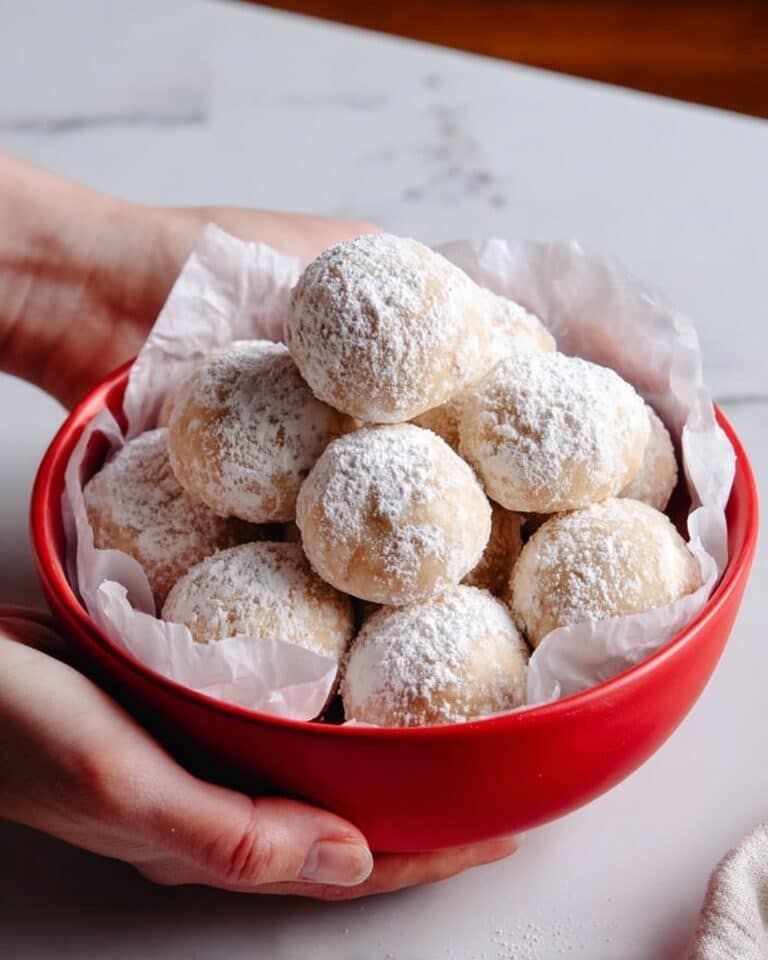
If you’ve never tried a Classic Malasadas Recipe, you’re in for a delicious treat that’s like biting into a soft, fluffy cloud coated in sweet sugar. These Portuguese-inspired fried doughnuts have a way of making any occasion feel special, whether it’s a weekend breakfast, a festive gathering, or simply a cozy afternoon snack. I first stumbled upon this recipe during a trip to Hawaii, and I’ve made them at home ever since because they’re surprisingly easy to pull off and so wonderfully addictive.
What makes this Classic Malasadas Recipe stand out is the perfect balance between the airy, pillowy interior and the sweet sugar crust that melts on your tongue. Plus, frying them fresh means you’re greeted with that irresistible aroma of warm dough and vanilla-scented sugar that fills your kitchen—trust me, it’s worth the splatter of oil alone! Whether you’re impressing guests or indulging in a little self-care treat, these malasadas never fail to hit the spot.
Ingredients You’ll Need
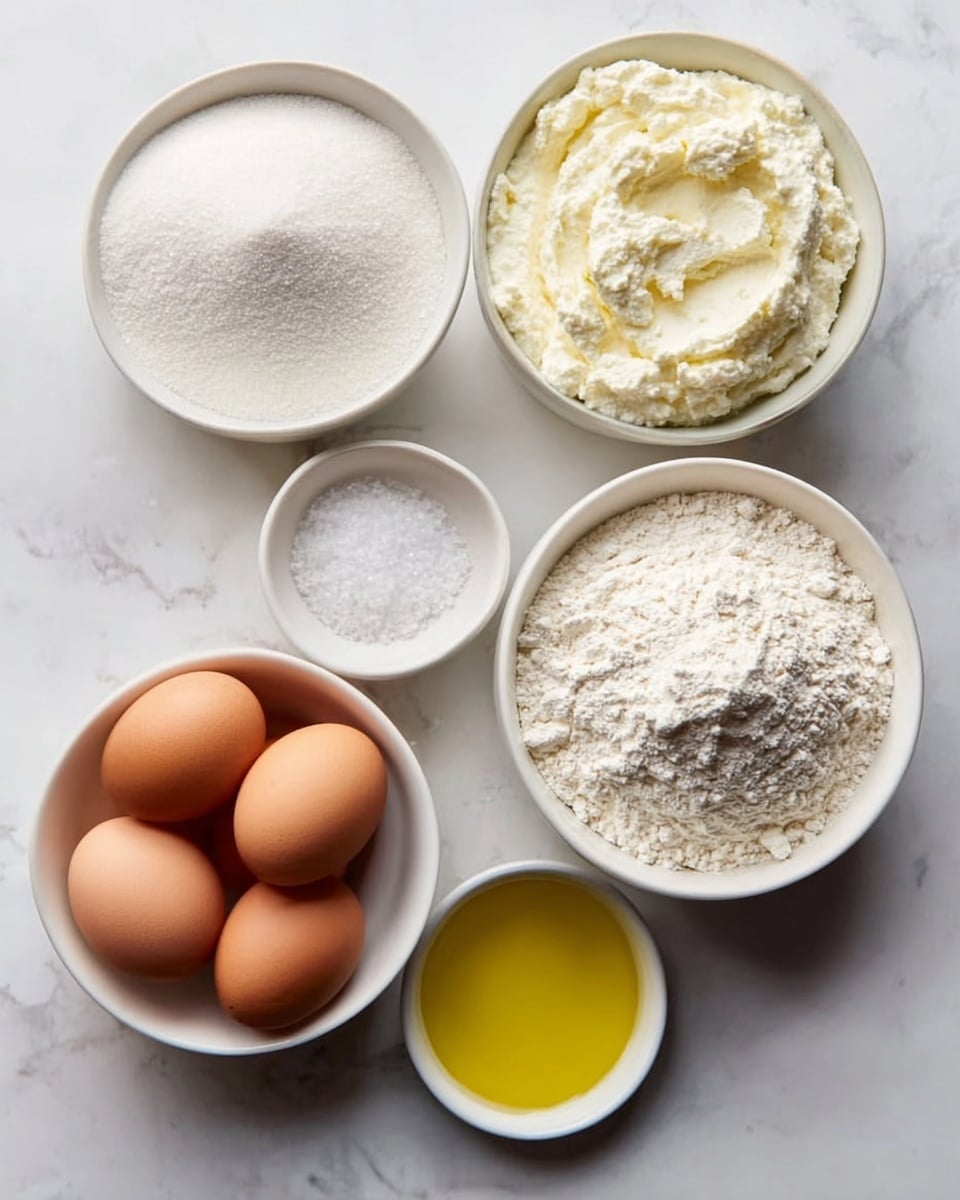
The beauty of this recipe lies in its simple and wholesome ingredients that combine to create magic. Each element plays a role in developing that classic flavor and texture, so I always encourage using fresh, good-quality products—especially the yeast and eggs.
- Active dry yeast: Fresh yeast is a must; it’s what gives the malasadas their perfect rise and fluffiness.
- Sugar: Two types here—one in the dough for sweetness, and another to coat the fried malasadas.
- Lukewarm water: Essential for activating the yeast without killing it; I always check the temperature with a kitchen thermometer.
- All-purpose flour: Provides structure but remains light enough for that tender bite we love.
- Salt: Just a pinch to balance the sweetness.
- Lukewarm milk: Adds richness and helps create a soft dough that’s easy to work with.
- Eggs: Beaten to add moisture and help with the dough’s elasticity.
- Vegetable or canola oil: For frying; I pick oils with high smoke points to avoid any burnt taste.
Variations
I love that the Classic Malasadas Recipe can be tweaked to suit different tastes or dietary needs without losing its soul. Here are a few ways I like to mix things up—feel free to experiment and find your perfect spin on this treat!
- Filled Malasadas: One time, I injected some fresh passionfruit jam inside right after frying. It was tangy and bright—such a fun surprise.
- Cinnamon Sugar Coating: Mixing cinnamon with sugar adds a warm aromatic twist that’s perfect for fall.
- Gluten-Free Version: I’ve tested a gluten-free flour blend here and while the texture changes a bit, it still satisfies those malasada cravings.
- Vegan Malasadas: By swapping the eggs with flaxseed “eggs” and using plant-based milk, you can still enjoy a heavenly batch!
How to Make Classic Malasadas Recipe
Step 1: Activate the yeast properly
Start by combining the active dry yeast, a tablespoon of sugar, and your lukewarm water in the mixer bowl. Give it a gentle stir and let it rest for about 5 minutes. You’ll want to see a frothy layer on top—that’s your yeast waking up and ready to work its magic. If you don’t see any foam, don’t despair; just try with new yeast because that’s key to perfect malasadas.
Step 2: Mix your dough until smooth
Now add your flour, half a cup of sugar, salt, lukewarm milk, and beaten eggs to the yeast mixture. Using the dough hook, mix on medium speed for about 5 to 8 minutes. You want a dough that pulls cleanly from the sides of your bowl—soft, smooth, and just a little springy. If it feels too sticky, sprinkle in a bit more flour, but be careful. It’s easier to add on more flour than take it away!
Step 3: Let the dough rise till doubled in size
Transfer your dough to a lightly greased bowl, cover it with a towel or plastic wrap, and let it relax in a warm, draft-free spot. I usually place mine near a warm oven (turned off) or on top of the fridge. It’ll take about 1 to 1 ½ hours to double, showing that perfect airy expansion you want.
Step 4: Shape and second rise
Punch down the dough gently to release any big bubbles. Roll it out on a floured surface into about a 9×12-inch rectangle. Cut into 12 equal pieces—or smaller if you prefer bite-sized. Place them on a parchment-lined baking sheet, cover, and let them rise again for 30 minutes. This second rise gives them that extra fluffy texture we all adore.
Step 5: Fry to golden perfection
Heat your oil in a heavy pot or Dutch oven to a steady 350°F (175°C). Test the temperature with a thermometer—it really helps keep the cooking even. Fry 3 to 4 pieces at a time, gently turning after 1 to 2 minutes until they puff up and turn golden brown on both sides. Don’t crowd the pot, or the temperature will drop and your malasadas can get greasy.
Step 6: Sugar coat while warm
Drain the malasadas on paper towels and while they’re still warm, roll each piece in sugar until fully coated. I prefer granulated sugar for that classic crunch, but powdered sugar or cinnamon blends work beautifully too. Serve immediately for that melt-in-your-mouth experience.
How to Serve Classic Malasadas Recipe
Garnishes
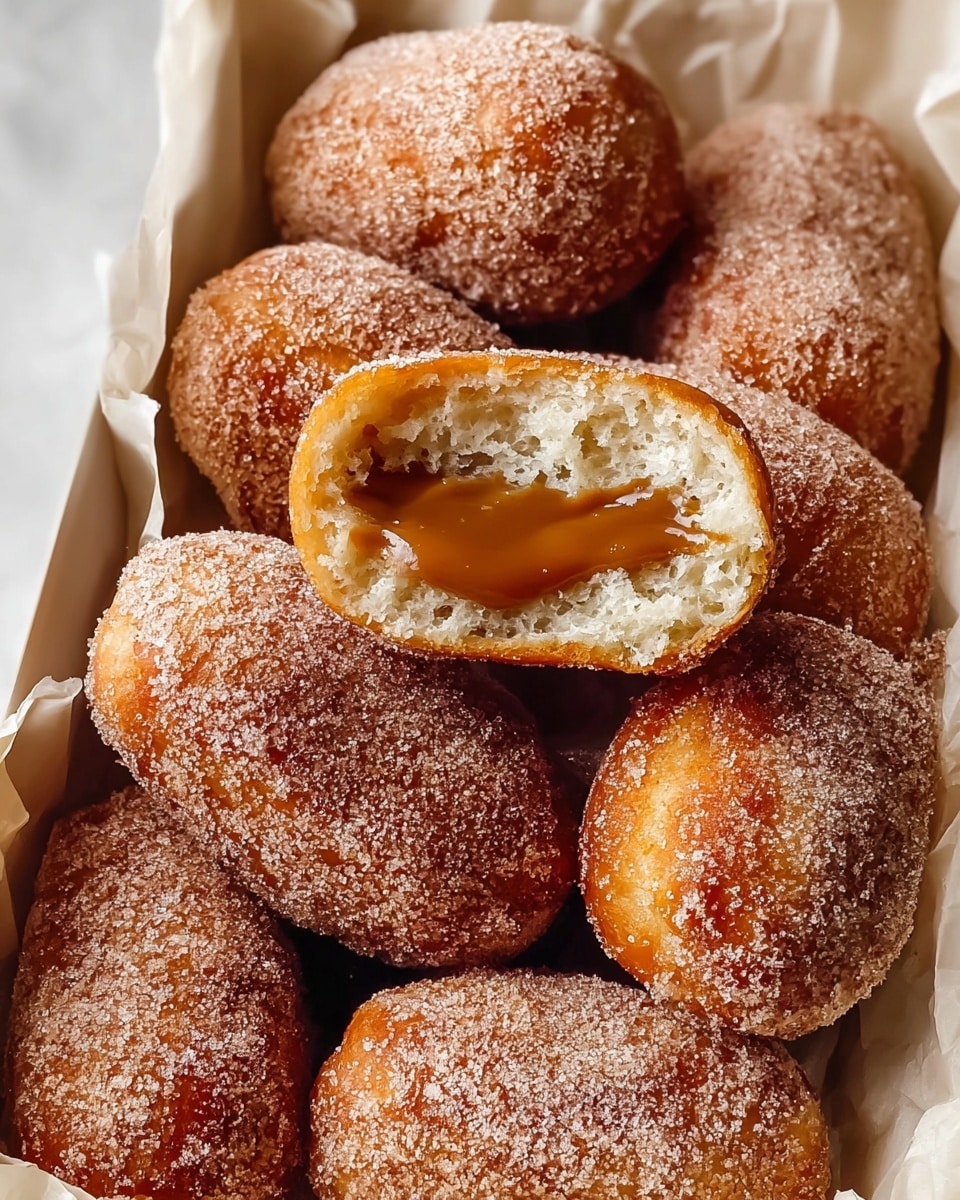
Personally, I like keeping it simple with a generous dusting of sugar, but sometimes I drizzle a bit of honey or lemon curd for a bright twist. If I’m feeling fancy, a spoonful of dulce de leche or a dollop of fresh whipped cream turns these malasadas into dessert royalty.
Side Dishes
A hot cup of strong coffee or a refreshing tropical fruit smoothie pairs perfectly with your Classic Malasadas Recipe. For brunch, serving alongside fresh fruit or a citrusy salad balances the sweetness beautifully.
Creative Ways to Present
For parties, I like arranging the malasadas in a pyramid on a decorative platter sprinkled with edible flowers or a dusting of powdered sugar for that little wow factor. You can also serve them on skewers with fruit for a playful, shareable treat that guests love.
Make Ahead and Storage
Storing Leftovers
Malasadas are undeniably best fresh, but if you have leftovers, store them uncovered at room temperature for up to 24 hours—this keeps them from turning soggy. I usually put them in a paper bag rather than plastic to help keep the crisp sugar shell intact.
Freezing
I’ve frozen cooked malasadas by wrapping each loosely in parchment paper and placing them in an airtight container. When you’re ready, thaw them at room temp and gently reheat in a warm oven for that freshly-fried feel. It’s a lifesaver when you want them later without frying from scratch.
Reheating
To warm your malasadas, I recommend a quick 5-minute stint in a 350°F oven. This method refreshes the sugar crunch and warms the inside without making them greasy or tough, unlike microwaving, which I avoid here.
FAQs
-
Can I make the Classic Malasadas Recipe without a mixer?
Absolutely! While a stand mixer with a dough hook makes kneading easier, you can mix and knead the dough by hand on a floured surface. It might take a bit more elbow grease, but the results are just as delicious.
-
What should I do if my dough doesn’t rise?
If your dough isn’t rising, first check your yeast’s freshness and ensure your liquid ingredients were lukewarm—not too hot or cold. Yeast is sensitive and needs a warm environment to activate, so try placing the covered bowl in a warmer spot to encourage rising.
-
Can I bake malasadas instead of frying them?
Traditional malasadas are fried to achieve their signature crispy outside and fluffy inside. Baking them won’t give the same texture, but if you prefer baking, consider making a doughnut-style bread and dusting with sugar after baking for a healthier alternative.
-
How do I know when the oil is at the right temperature for frying?
Using a deep-frying thermometer is the most reliable method; heat the oil to 350°F. If you don’t have one, drop a small piece of dough into the oil—if it starts bubbling and rises to the surface quickly, the oil is ready. Too many bubbles and a dark color mean it’s too hot, while slow bubbling means it’s not hot enough.
-
Can I add flavors to the dough?
Definitely! I’ve added a teaspoon of vanilla extract or some freshly grated lemon zest for subtle flavor boosts that pair beautifully with the sugar coating. Just avoid overly strong flavors that might overpower the classic taste.
Final Thoughts
This Classic Malasadas Recipe holds a special place in my heart because it’s simple comfort food that brings back warm family memories and moments shared over sweet, fresh treats. I always recommend giving it a go even if you’re a bit intimidated by frying—once you make your first batch, you’ll feel confident and proud. So gather those ingredients, clear a little kitchen space, and indulge in making your own delicious malasadas. Trust me, once you try this recipe, it’ll become a beloved staple in your dessert and breakfast repertoire!
Print
Classic Malasadas Recipe
- Prep Time: 45 minutes
- Cook Time: 20 minutes
- Total Time: 2 hours 35 minutes
- Yield: 12 malasadas 1x
- Category: Dessert
- Method: Frying
- Cuisine: Portuguese
Description
This Delicious Malasadas Recipe features light, fluffy Portuguese-style doughnuts fried to golden perfection and coated in sugar. Perfect for a sweet treat, these malasadas are made from a yeast dough that’s soft and airy inside with a crisp, sugary exterior. Ideal for breakfast or dessert, they can be served plain or with various toppings such as jams, lemon curd, custard, or dulce de leche.
Ingredients
Dough
- 2¼ teaspoons active dry yeast (1 packet)
- 1 tablespoon sugar
- ¼ cup lukewarm water (95°-105°F)
- 4 cups all-purpose flour
- ½ cup sugar
- ½ teaspoon salt
- 1 cup lukewarm milk
- 4 large eggs, beaten
Frying and Coating
- Oil for frying (vegetable or canola oil recommended)
- 1 cup sugar (for coating)
Instructions
- Activate the yeast: In the bowl of your mixer, combine the active dry yeast, 1 tablespoon of sugar, and ¼ cup of lukewarm water. Mix with a dough hook or paddle attachment. Let rest for 5 minutes until the mixture is frothy on top, indicating the yeast is active. If it doesn’t froth, start over with fresh yeast.
- Make the dough: Add the all-purpose flour, ½ cup sugar, salt, lukewarm milk, and beaten eggs to the yeast mixture. Mix using the dough hook attachment for 5 to 8 minutes until the dough pulls away cleanly from the sides of the bowl. If the dough is too sticky, add flour by the tablespoon until it is soft and smooth.
- First rise: Place the dough into a lightly greased bowl, cover with a towel or plastic wrap, and let it rise in a warm, draft-free place until doubled in size, approximately 1 to 1½ hours.
- Shape the malasadas: Punch down the dough to release air. Transfer it to a floured surface and roll it into a 9×12-inch rectangle. Cut the dough into 12 equal pieces and place them on a baking sheet lined with parchment paper.
- Second rise: Cover the dough pieces with a clean towel and let them rise again for about 30 minutes. For smaller malasadas, cut the dough pieces in half before this step.
- Heat oil: Heat oil in a large Dutch oven or heavy-duty pot over medium heat until it reaches 350°F. Fry 3 to 4 dough pieces at a time without overcrowding, turning after 1 to 2 minutes per side, until they are puffed and golden brown.
- Drain excess oil: Transfer the fried malasadas to a plate or bowl lined with paper towels to absorb excess oil.
- Coat with sugar: Roll the warm malasadas in sugar until fully coated. Serve plain or with your favorite jams, lemon curd, custard, or dulce de leche for added flavor.
Notes
- Ensure the water and milk are lukewarm (95°-105°F) to activate the yeast properly without killing it.
- Do not overcrowd the frying pot to maintain oil temperature and avoid soggy malasadas.
- You can use vegetable or canola oil for frying due to their high smoke points.
- Malasadas are best enjoyed fresh on the day they are made for optimal texture and flavor.
- For a lighter coating, use powdered sugar or mix cinnamon with granulated sugar for added flavor.
Keywords: Malasadas, Portuguese doughnuts, yeast dough, fried dough, sweet treat, breakfast doughnuts, sugar-coated doughnuts